Steel Fabrication Safety Standards You Need to Know
Understanding Steel Fabrication Safety Standards
Safety is one of the foremost priorities in any construction or fabrication project. Whether you are a contractor, architect, engineer or project manager, understanding the safety standards that govern structural steel fabrication helps ensure your build meets legal requirements and performs reliably over its entire lifespan.
In this blog we explain the key safety standards and best practices in steel fabrication, why they matter, and what clients should look for when choosing a steel fabrication partner.
What Are Fabrication Safety Standards?
Safety standards in steel fabrication are authoritative benchmarks that define how steel should be processed, handled and assembled to guarantee strength, durability and compliance. These standards cover everything from material selection and welding procedures to structural testing and documentation.
In the UK, these standards help maintain quality across the industry and protect workers, clients and end users.
Key Safety Standards in Structural Steel Fabrication
CE marking offers several key benefits for project managers, contractors, and engineers:
1. UKCA and EN 1090 Certification
One of the most important certification frameworks is EN 1090, which applies to structural steel and aluminium components used in buildings. Meeting this standard demonstrates that fabrication processes, quality control and documentation meet recognised safety benchmarks.
After Brexit, the UK introduced UKCA marking as the national conformity mark, with requirements closely aligned to EN 1090. UKCA certification gives clients confidence that the material and fabrication meet UK regulations.
2. Welding Standards
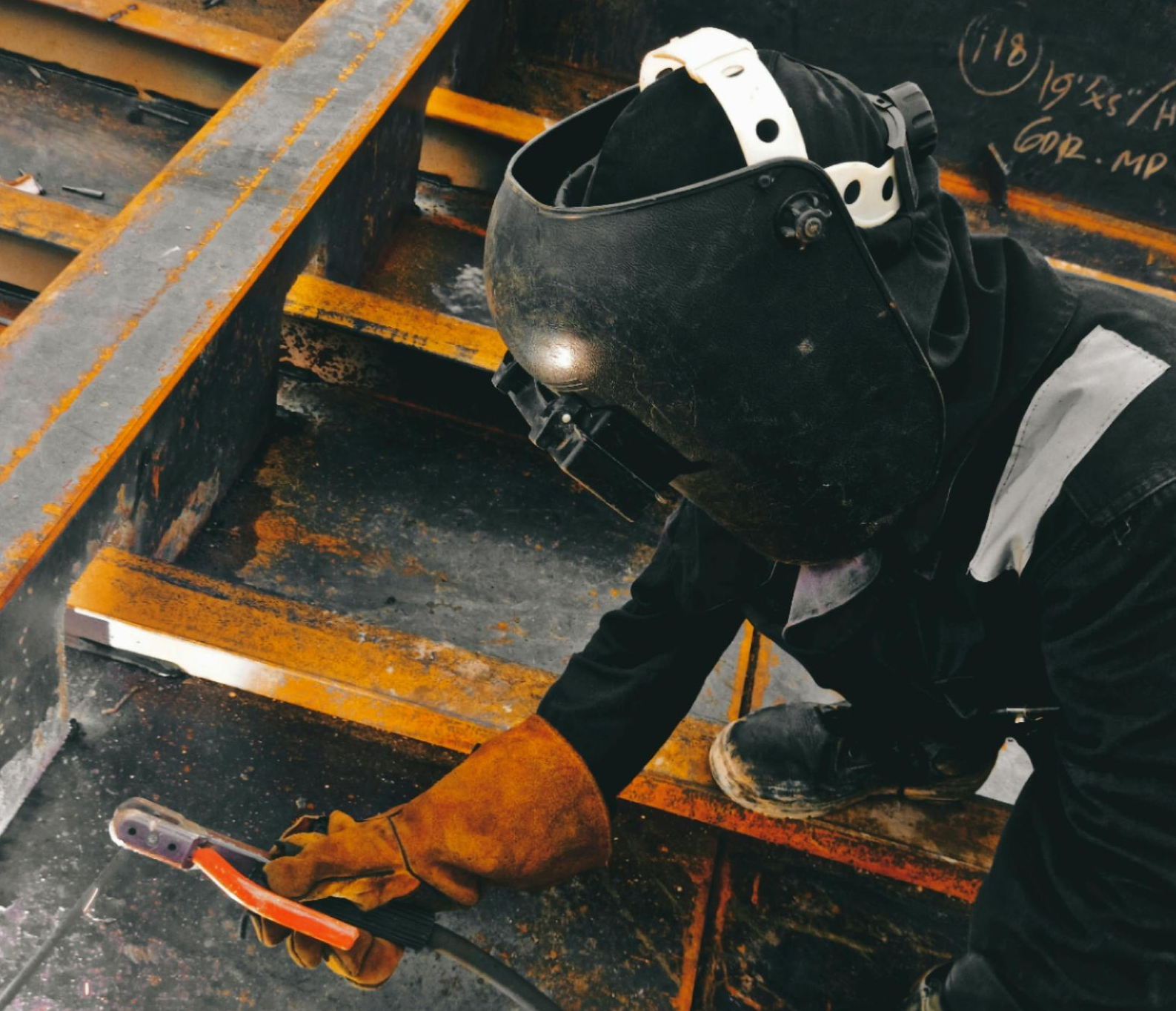
Welding is a critical part of fabrication and must adhere to strict procedures to ensure joint integrity. Standards such as BS EN ISO 3834 set out requirements for welding quality, including welder qualifications, equipment maintenance and inspection protocols.
Adhering to these standards means fabricated components have consistent strength and performance where it matters most.
3. Structural Testing and Inspection
Fabricated steel is often subject to regular testing and inspection to verify it meets design and safety specifications. These may include:
Non Destructive Testing (NDT) to check weld quality without damaging the component
Visual inspections to identify visible defects or inconsistencies
Dimensional checks to confirm accuracy of cuts and fabrication
These checks ensure parts are fit for use before they leave the workshop.
4. Material Traceability
Safety standards require that the source and specification of each piece of steel can be fully traced back to its origin. This includes documentation for material grade, test certificates and supplier details.
Maintaining traceability helps prevent incorrect materials being used in critical structural positions.
5. Health and Safety at Work Regulations
Beyond fabrication standards, general health and safety regulations such as the Health and Safety at Work Act 1974 and Construction (Design and Management) Regulations 2015 apply to all fabrication workshops.
This means fabricators must:
Provide appropriate protective equipment
Ensure safe handling and storage of materials
Train staff in risk awareness and safe working practices
Safety on site and in the workshop are closely linked, and compliance with these regulations protects workers and clients alike.
Why These Standards Matter to You
Understanding and following steel fabrication safety standards delivers real benefits:
- Stronger structures that perform reliably under load
- Reduced risk of failure due to material or joint defects
- Confidence that your project complies with UK regulations
- Lower insurance and liability risk during construction and operation
- Better long term durability and safety for occupants and users
Conclusion
Safety standards in steel fabrication are essential to delivering strong, compliant and long lasting structures. By understanding the key requirements and regulations, you can make informed choices for your project and work with partners who prioritise quality and reliability.
If you would like support with your next steel fabrication or processing project, the team at MAK Structures is here to help.