Understanding Steel Tolerances in Structural Fabrication
Why Accuracy Matters in Commercial Steel Projects
In structural steel fabrication, precision is not just desirable, it is essential. Even small deviations in measurements can cause delays on site, increase installation time, and impact overall project costs.
In this blog, we explain what steel tolerances are, why they matter in commercial construction, and how accurate fabrication supports smoother project delivery.
What Are Steel Tolerances?
Steel tolerances refer to the permitted variation in dimensions, alignment and positioning of fabricated steel components.
No fabrication process can achieve absolute perfection to the millimetre on every element, so tolerances define the acceptable range of variation. These limits ensure that components will fit together correctly during installation while maintaining structural integrity and compliance with relevant standards.
Tolerances can apply to:
- Length and width of beams
- Hole positioning and spacing
- Squareness and alignment
- Camber and straightness
- Plate thickness and profile cutting
Why Are Tolerances Important?
1: Smooth Installation on Site
Steel structures are typically assembled quickly once delivered. If fabricated elements fall outside acceptable tolerances, components may not align correctly, causing delays and additional site work.
Accurate fabrication reduces the risk of:
- Misaligned bolt holes
- Uneven connections
- On site modifications
- Programme delays
Keeping within tolerance ensures faster, safer and more efficient erection.
2: Structural Performance
Even small dimensional errors can affect load distribution and structural behaviour. Maintaining proper tolerances ensures that the structure performs as designed by the structural engineer.
Consistency across fabricated components supports long term strength and reliability.
3: Compliance with UK Standards
Steel fabrication in the UK must comply with strict regulations and quality requirements. Controlled tolerances form part of these compliance standards, particularly for projects requiring UKCA marking under EN 1090.
Working to recognised tolerance standards provides reassurance that fabricated steel meets required structural and safety expectations.
How Are Tolerances Controlled?
Controlling tolerances begins long before fabrication starts.
Accurate Drawings and Data
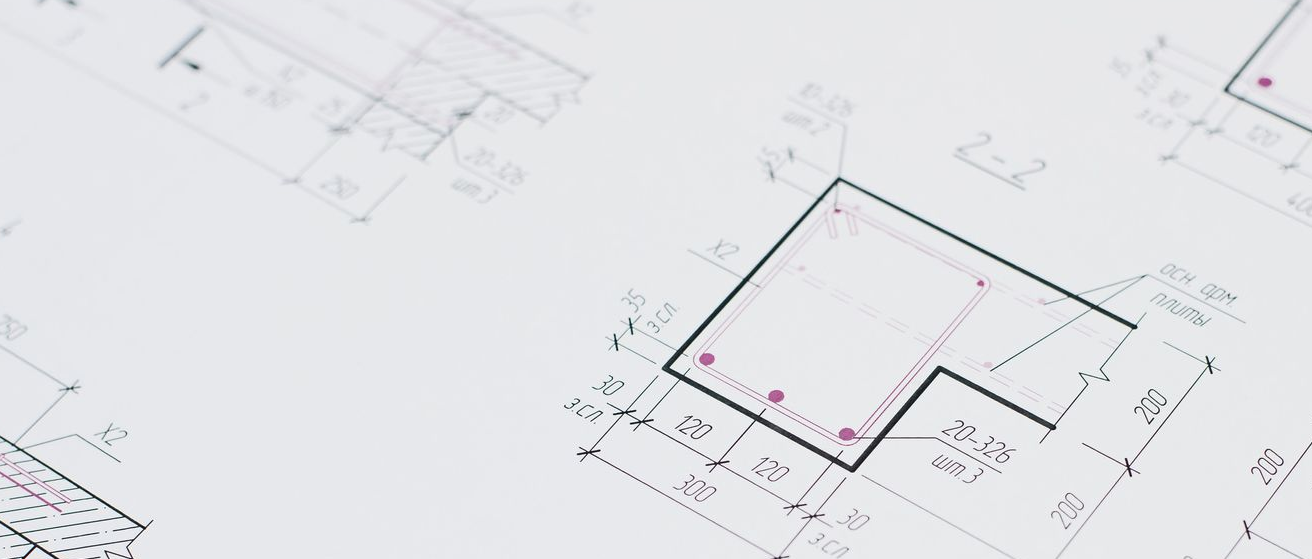
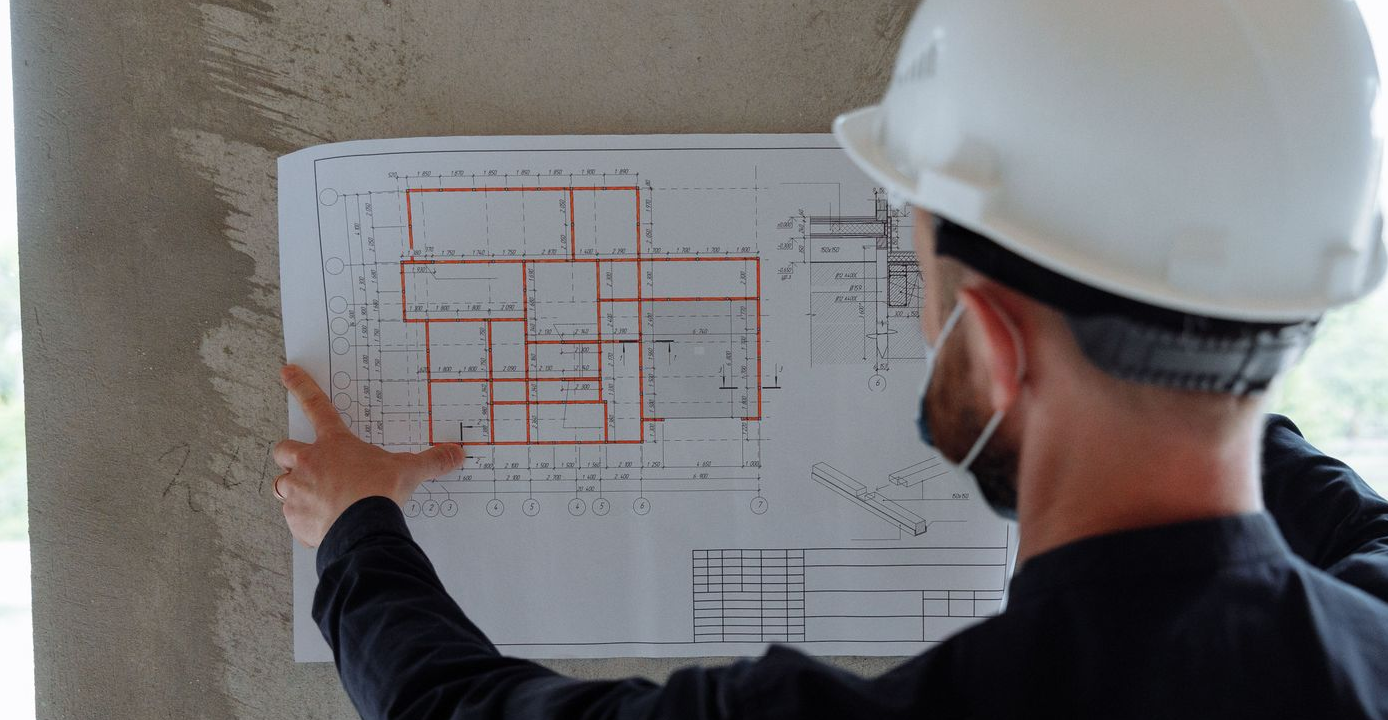
Clear technical drawings and precise digital data ensure that cutting, drilling and profiling are completed to specification.
In House Processing
Carrying out processing such as cutting and drilling in house allows closer quality control and consistent measurement checks throughout the workflow.
Experienced Fabrication Teams
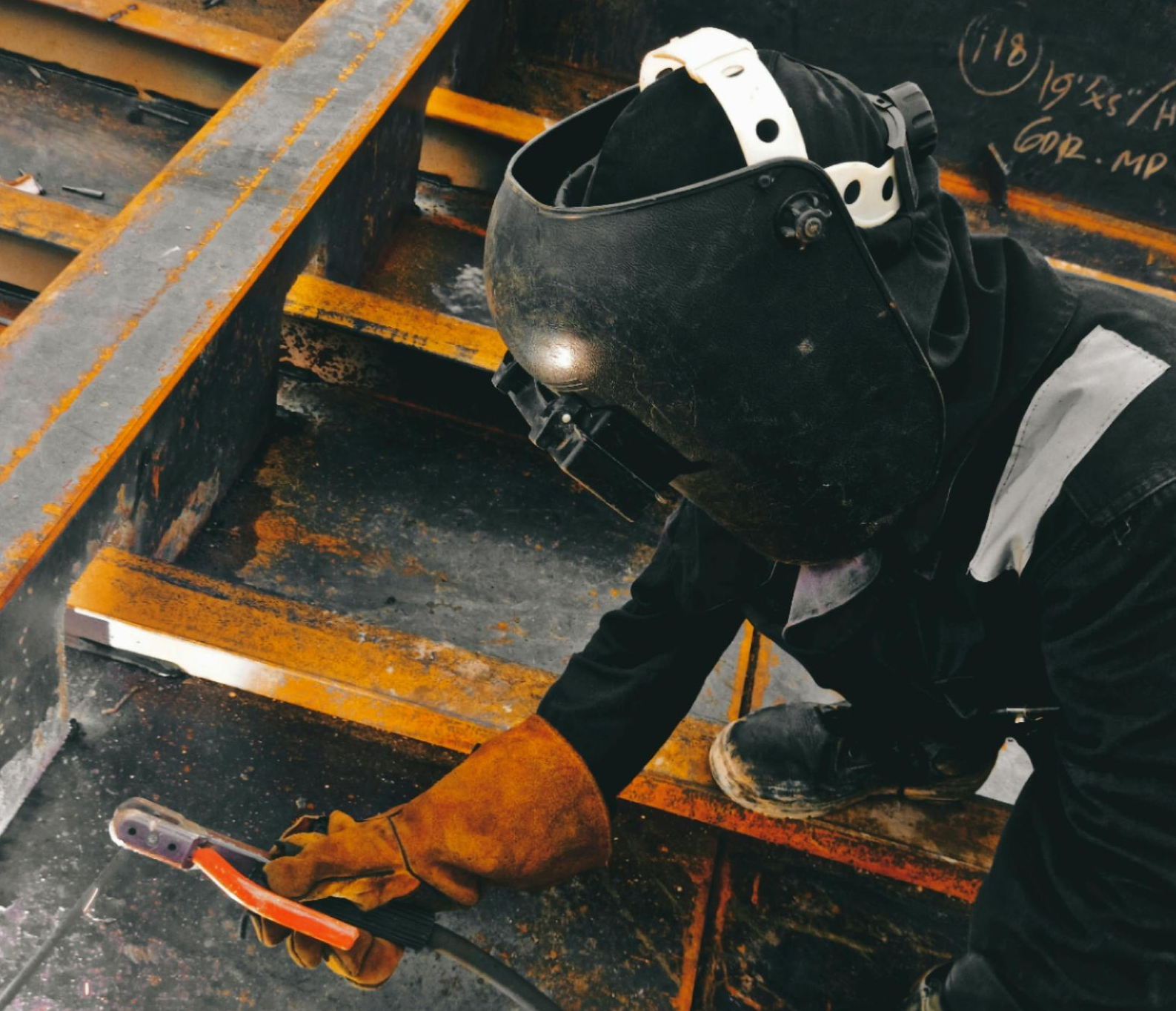
Skilled fabricators understand the importance of alignment, fit up and dimensional accuracy at every stage of welding and assembly.
Quality Checks Throughout Production
Routine measurement checks during fabrication help identify any deviations early, preventing issues from escalating further down the process.
Why Tolerances Matter More on Large Projects
On larger structural steel projects, even minor dimensional discrepancies can multiply across repeated elements.
For example, if multiple beams are slightly outside tolerance, the cumulative effect can create alignment issues across an entire frame. This makes precision fabrication especially important on commercial and infrastructure developments.
Supporting Accurate Structural Steel Fabrication
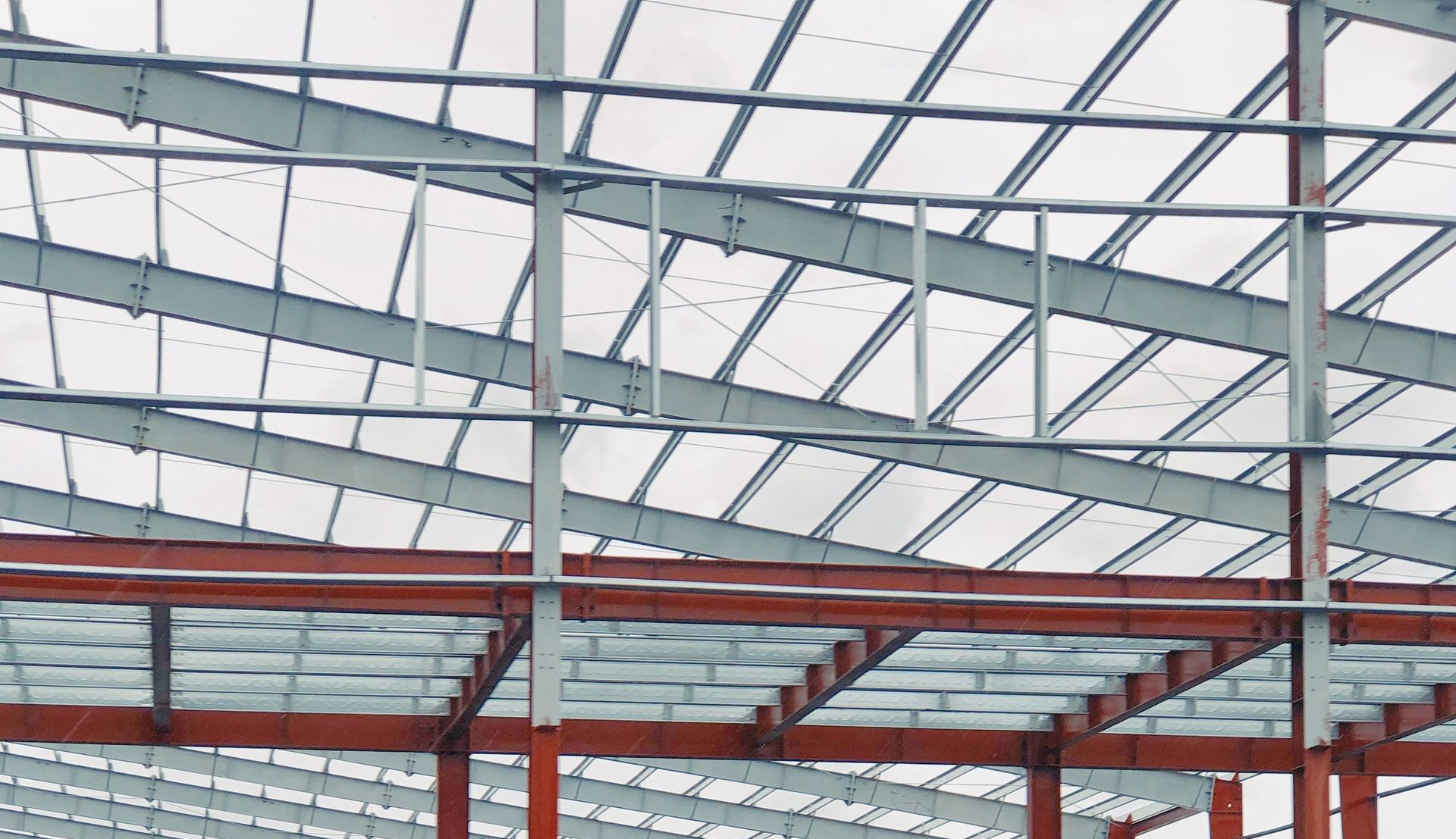
Whether fabricating primary structural frames, trusses or secondary steelwork, maintaining proper tolerances is fundamental to delivering quality results.
Reliable steel fabrication is not just about strength, it is about accuracy, consistency and attention to detail at every stage of the process.
If you are planning a
commercial or industrial project and require dependable structural steel fabrication support, speak to the team at MAK Structures today.