How Long Does Structural Steel Fabrication Take? A Guide to Lead Times and Programme Planning

Joe Holdsworth • April 27, 2026

Understanding Steel Fabrication Lead Times and How to Plan Around Them

One of the most common questions contractors and project managers ask when procuring structural steelwork is a straightforward one: how long will it take?


It is also one of the most important questions to get right. Structural steel fabrication typically sits on or near the critical path of a construction programme. If the steel arrives late, everything that follows gets pushed back. Getting a realistic picture of lead times early in the planning process is essential to keeping a project on track.


In this article, we break down the typical lead times for structural steel fabrication in the UK, the factors that influence how long the process takes, and the practical steps you can take to protect your programme.

What Does the Fabrication Process Actually Involve?

Before looking at timescales, it helps to understand what the fabrication process involves, because each stage takes time and each is dependent on the one before it.


A typical structural steel fabrication project moves through the following stages:

  • Enquiry and quotation. Once drawings or project details are received, the fabricator reviews them and prepares a quotation. For straightforward projects this can take a matter of days. For complex packages with a large number of unique components, it may take longer.


  • Order placement and programme agreement. Once the order is placed, the fabricator will confirm a production programme, including a planned start date and delivery schedule. This is the point at which lead times are formally agreed.


  • Material procurement. Structural steel sections are ordered from the stockholder or mill. The availability of specific sections and the time required to source them is one of the most significant variables in the overall lead time.


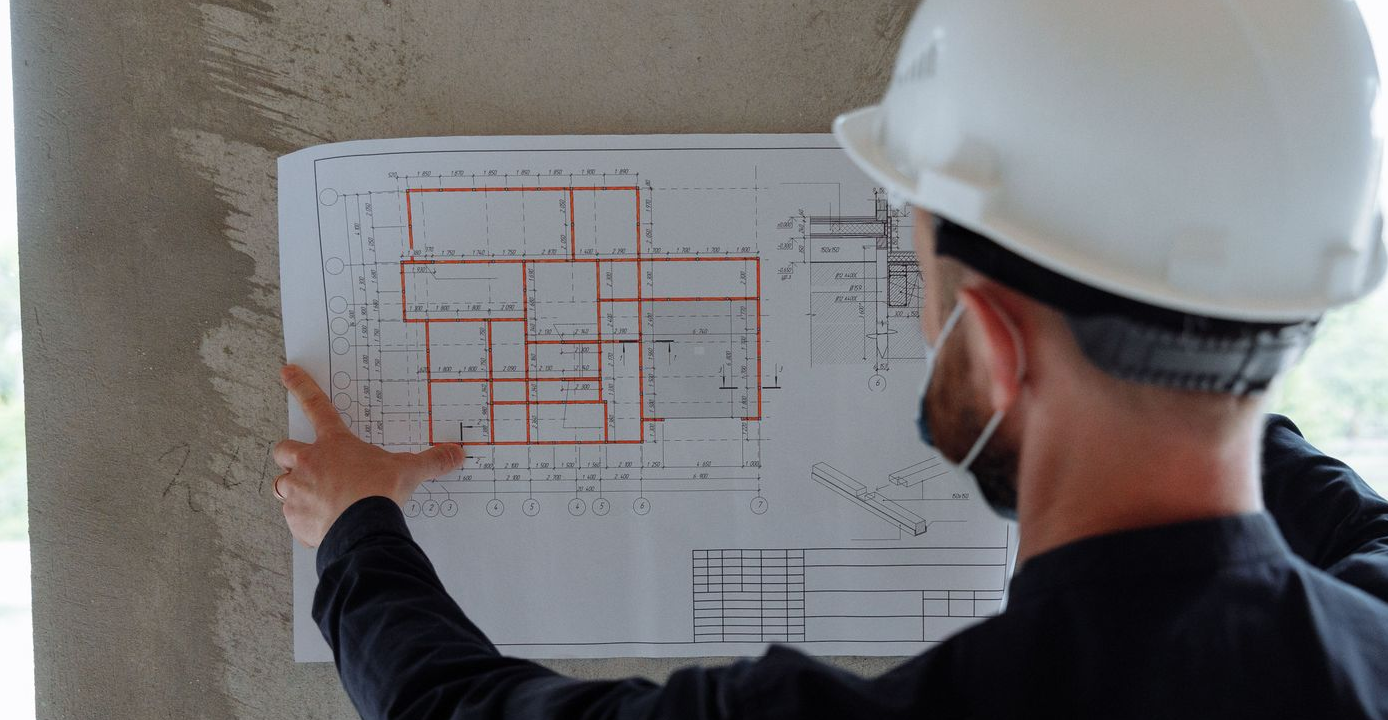
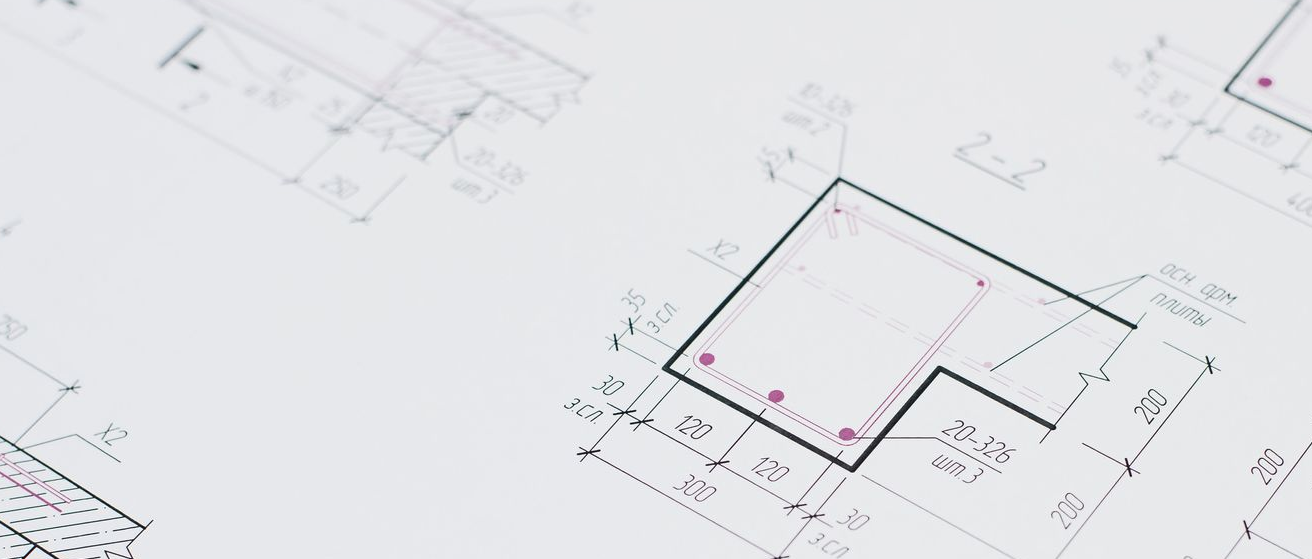
  • Detailing and drawing production. Before fabrication can begin, detailed fabrication drawings must be produced and approved. This stage includes any required design coordination with the structural engineer and the main contractor. Delays to drawing approval are one of the most common causes of programme slippage in steel fabrication projects.


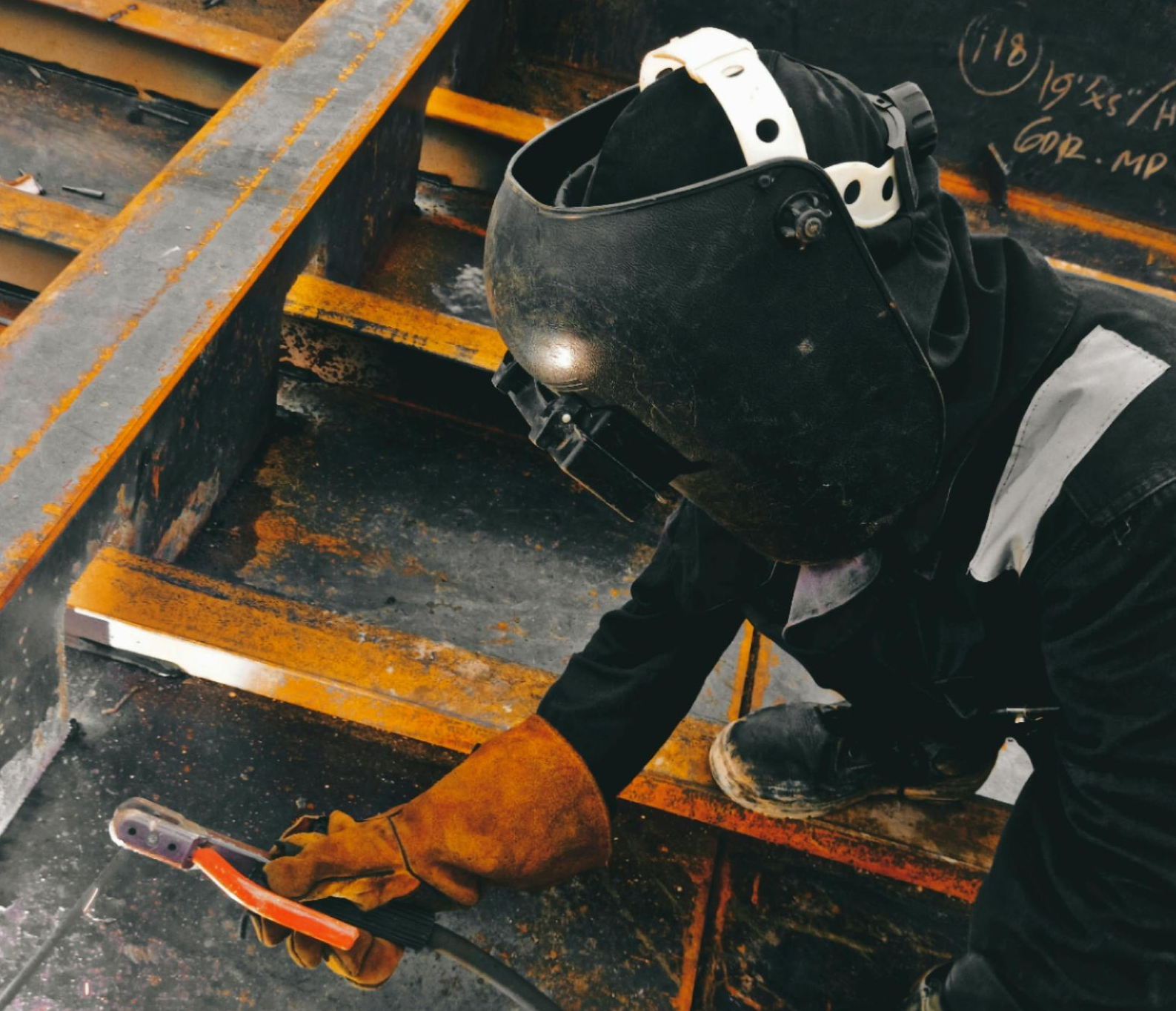
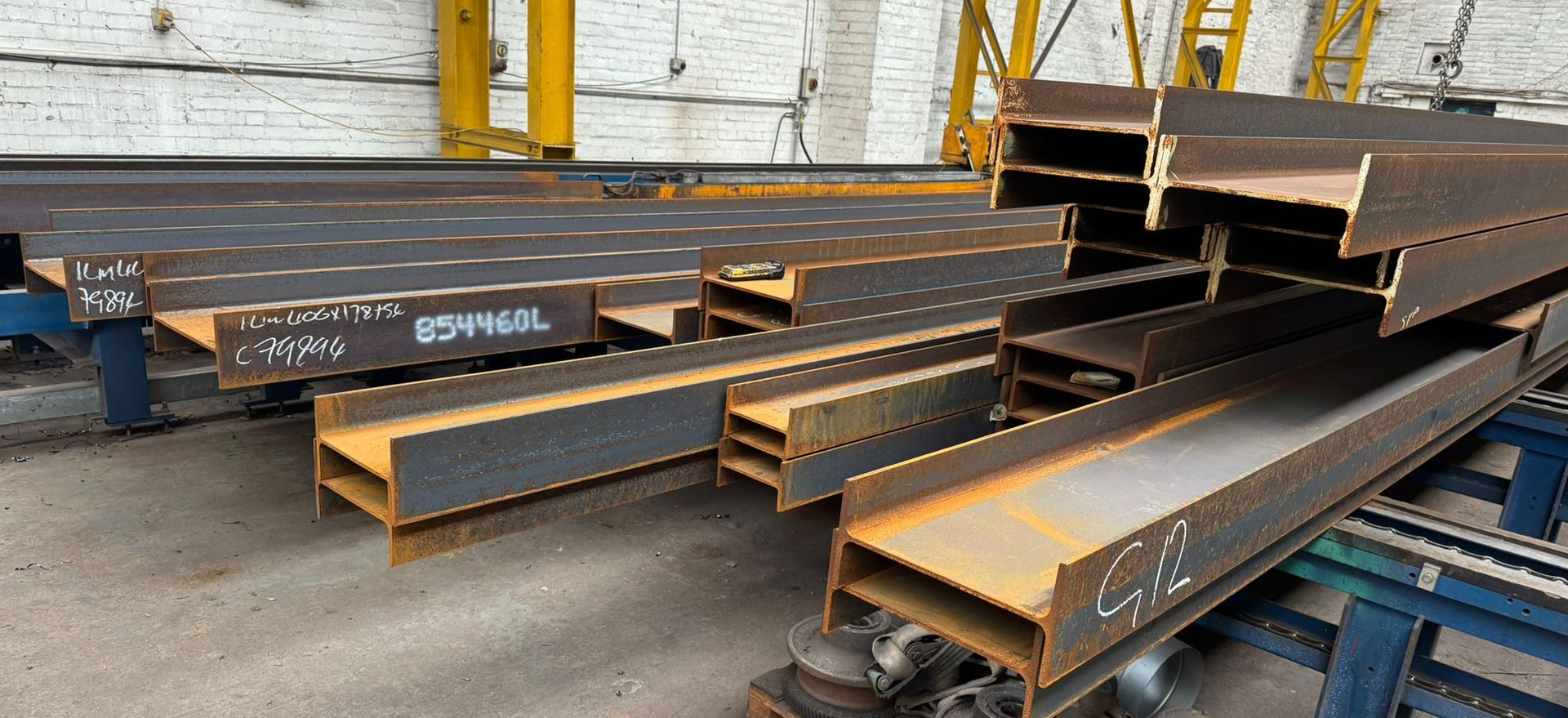
  • Fabrication. Once materials are on site and drawings are approved, the fabrication process begins. This includes cutting and drilling, shot blasting, welding, assembly and painting.


  • Inspection and sign-off. Completed steelwork is checked against the fabrication drawings before it is released for delivery.


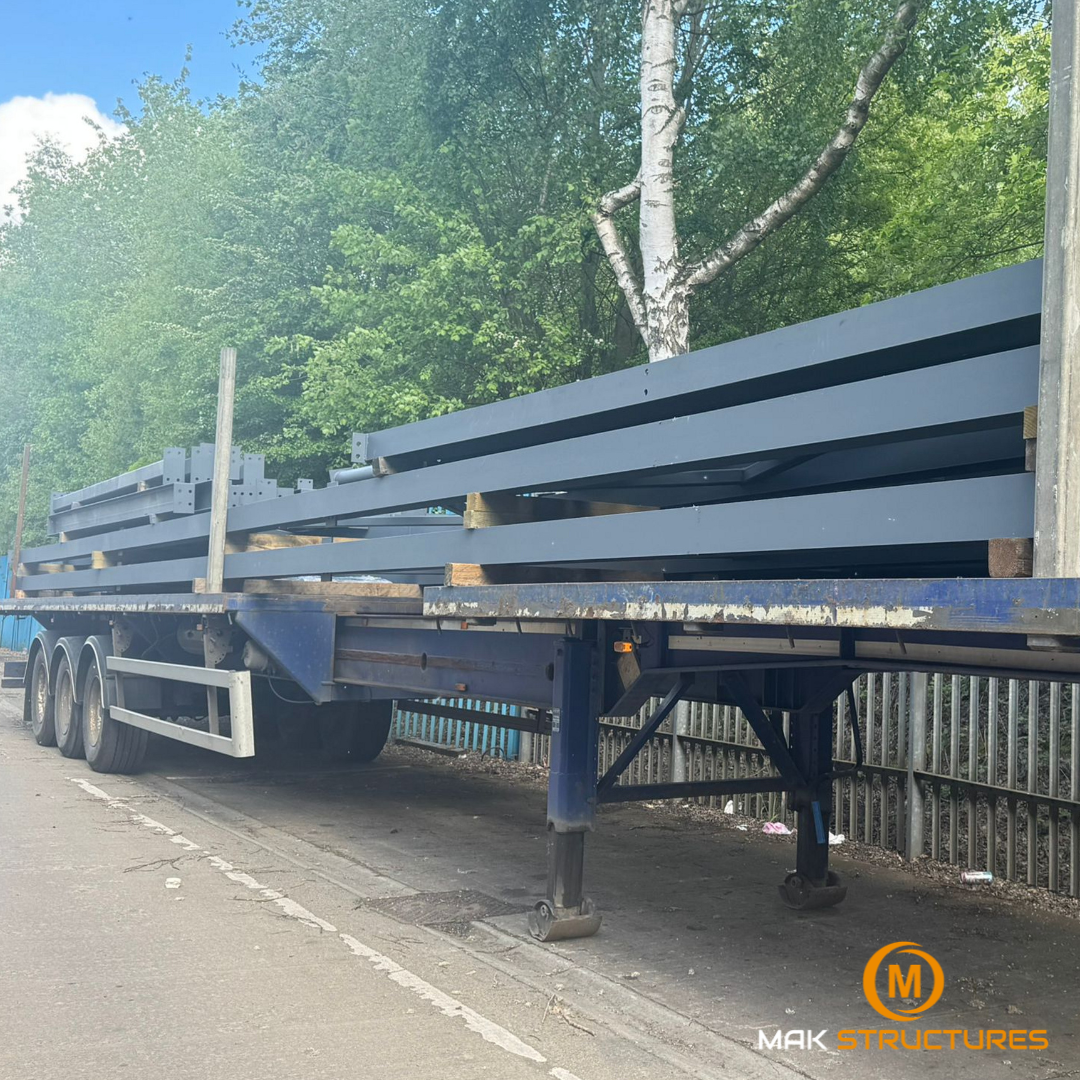
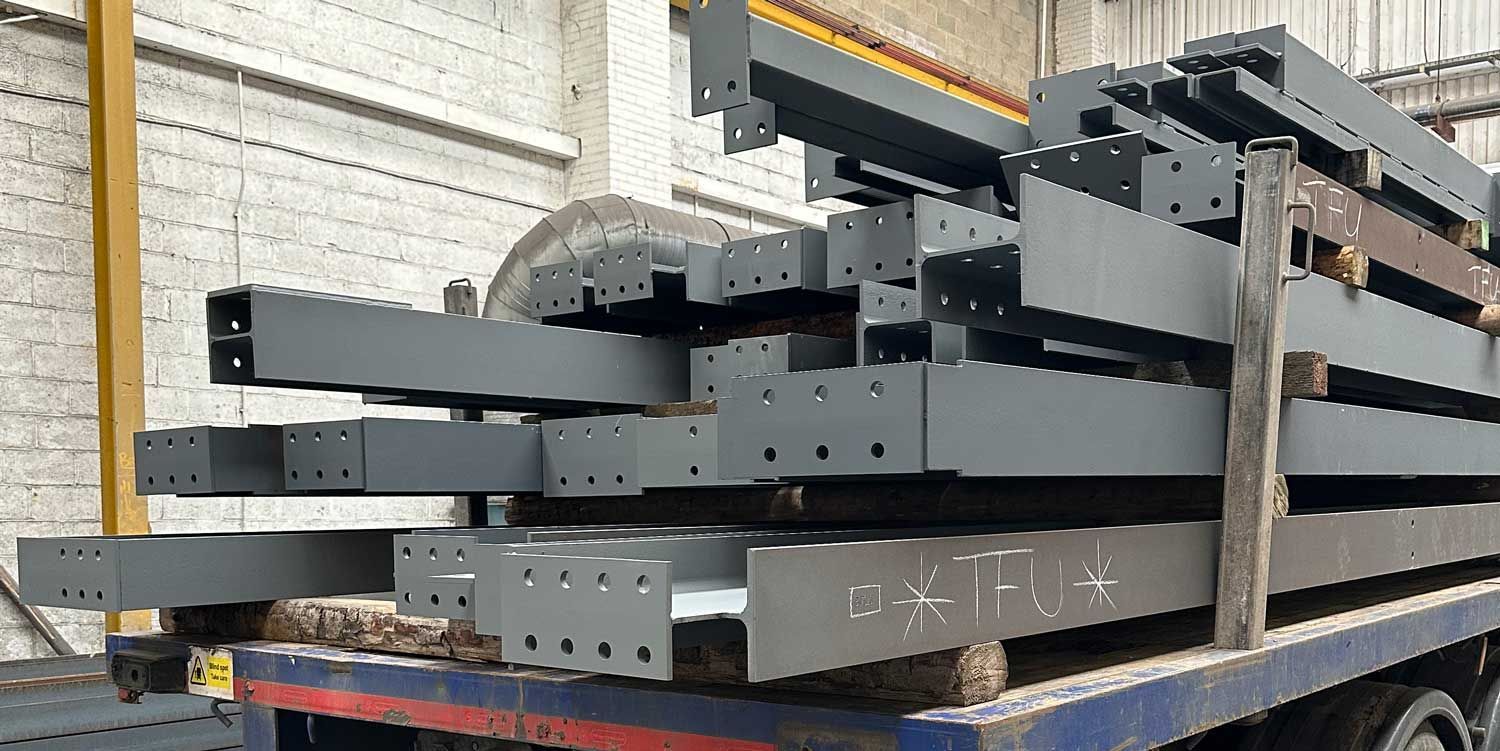
  • Delivery. Steelwork is loaded and transported to site, either in a single delivery or in phased drops to suit the erection programme.

Typical Lead Times for Structural Steel Fabrication

Lead times in structural steel fabrication vary considerably depending on the size and complexity of the project, the fabricator's current workload and the availability of materials. That said, the following gives a useful general guide for planning purposes.


For smaller packages of steelwork such as individual beams, columns or simple fabricated frames, lead times from order placement to delivery can be as short as two to four weeks when a fabricator has capacity and the relevant sections are in stock.


For medium-sized commercial projects involving a more complex fabrication package with multiple section types, connections and secondary steelwork, a lead time of four to eight weeks from order placement is more typical.


For larger or more complex projects, including multi-storey structural frames, bespoke fabricated components or packages requiring significant welding and assembly, lead times of eight to twelve weeks or more are not uncommon, particularly during periods of high industry demand.


These figures assume that fabrication drawings are approved promptly and that materials can be sourced within normal timescales. Either of these factors can extend the programme significantly if problems arise.

What Factors Affect Fabrication Lead Times?

Understanding what drives lead times helps you plan more effectively and identify the areas where delays are most likely to occur.


Fabricator capacity

The single biggest variable in most cases is how busy the fabricator is at the time you need the work done. A fabricator with a full order book may not be able to start your project for several weeks. This is why early engagement with your fabrication partner is so important, particularly on projects with tight programmes.


Drawing approval

Fabrication cannot begin until drawings have been approved. If the approval process involves multiple rounds of comments from the structural engineer, the architect and the main contractor, it can add weeks to the overall programme without the fabricator being able to do anything about it. Establishing a clear drawing approval process and realistic timescales at the outset of a project is one of the most effective ways to protect the programme.


Material availability

The structural steel market is subject to supply chain pressures and fluctuations in stock availability, particularly for heavier or less common sections. A fabricator with good relationships with their steel stockholders and a well-managed procurement process will be better placed to source materials quickly, but it is always worth discussing lead times on specific sections early.


Project complexity

The more complex the fabrication package, the longer it takes. Projects with a high number of unique components, complex connection details, significant welding requirements or bespoke elements will always take longer than straightforward packages of standard sections.


Finishing requirements

The type of surface preparation and protective coating specified will affect the programme. Standard primer-painted steelwork adds relatively little time, but complex paint systems, intumescent coatings or hot-dip galvanising can add days or weeks depending on the scope and the capacity of the relevant specialist.

How to Protect Your Programme

There are several practical steps you can take to give your project the best possible chance of receiving steelwork on time and in full.


  • Engage your fabricator early: The earlier you approach a fabricator, the more likely they are to have capacity available at the time you need it. Early engagement also gives you the opportunity to discuss the project in detail, identify any potential issues with the fabrication package and agree a realistic programme before any commitments are made to the wider construction team.


  • Issue drawings promptly: Drawing delays are the most controllable cause of programme slippage in steel fabrication projects. Where possible, issue drawings as early as possible and establish a clear process and timeline for approvals. If changes to the design are anticipated, communicate these to the fabricator as soon as they are known rather than waiting until formal drawings are reissued.


  • Build contingency into your programme: Even with the best planning, unforeseen issues can arise. Building a realistic contingency into the programme around the steel package allows the project to absorb minor delays without affecting the wider construction sequence.


  • Discuss phased deliveries: On larger projects, it is often possible to arrange phased deliveries so that erection can begin while fabrication of later packages continues. This can significantly compress the overall programme and reduce the risk of the steel frame becoming a bottleneck.


  • Agree a clear scope at the outset: Scope changes during fabrication can have a disproportionate impact on the programme, particularly if they affect components that are already in production. Agreeing a clearly defined scope before fabrication begins, with a formal change management process in place, reduces the risk of late variations disrupting the delivery schedule.

Working with MAK Structures

At MAK Structures, we work closely with contractors and project teams throughout the planning and procurement process to establish realistic programmes and deliver steelwork on time. Our purpose-built 20,000 sq ft facility in Wakefield gives us the capacity to handle both commercial fabrication packages and sub-contract overflow work, with all processing carried out in house for maximum efficiency and control.


If you have a project in the pipeline and want to discuss lead times and capacity, our team is happy to talk through your requirements at the earliest stage.

Recent Posts

By Joe Holdsworth April 10, 2026
Discover what sub-contract steel fabrication involves, when it makes commercial sense, and what to look for in a reliable sub-contract fabrication partner.

MAK Structures Workshop with a load of steel
By Joe Holdsworth March 27, 2026
Choosing the right structural steel fabricator is critical to your project's success. Discover the key factors to look for, from accreditations and in-house capabilities to capacity and delivery reliability.
Structural Steel on Wagon
By Joe Holdsworth March 13, 2026
Discover why in house steel processing improves efficiency, quality and project timelines in structural steel fabrication and commercial construction projects.
Steel Building
By Joe Holdsworth February 27, 2026
Learn why steel tolerances are critical in structural steel fabrication. Discover how accurate fabrication improves installation, compliance and project efficiency.
complete steel staircase on the outside of a building
By Joe Holdsworth February 13, 2026
Learn what secondary steelwork is and why it is essential in commercial and industrial construction projects. Discover its role in safety, stability and building performance.
Multiple Roads
By Joe Holdsworth January 23, 2026
Discover how structural steel fabrication supports modern infrastructure projects across the UK, from commercial buildings to large scale developments, and why precision fabrication matters.
Safety Worker in high vis
By Joe Holdsworth December 31, 2025
Explore the key safety standards in steel fabrication, from UKCA certification to welding and inspection best practices. Learn how compliance ensures strong, reliable structures.
man welding steel
By Joe Holdsworth December 5, 2025
Learn what CE marking means for structural steel, why it matters in construction, and how it ensures safety and compliance across fabrication projects.
Steel Cutting
By Joe Holdsworth November 28, 2025
Discover the role of steel quality testing in creating safe and durable structures. An easy to understand overview of how testing helps maintain high standards.
Structural Steel stockpile
By Joe Holdsworth November 21, 2025
Discover the most common types of structural steel beams used in UK construction, including UCs, UBs, channels and angles. Learn what each beam is designed for and how MAK Structures can provide high quality processing and fabrication.
Show More