What Is Sub-Contract Steel Fabrication and When Should You Use It? | MAK Structures
Understanding Sub-Contract Steel Fabrication and Its Role in Construction
For main contractors, specialist subcontractors and steel fabricators operating across the UK, sub-contract steel fabrication is a practical and increasingly common solution to the challenges of capacity, resource and project complexity.
Yet despite its widespread use, the term is not always well understood. In this article, we explain exactly what sub-contract steel fabrication is, when it makes commercial sense to use it, and what to look for in a partner you can rely on.
What Is Sub-Contract Steel Fabrication?
Sub-contract steel fabrication refers to the process of outsourcing steel fabrication work to a specialist third-party fabricator, rather than carrying it out entirely in house.
In practice, this might mean a main contractor engaging a fabrication company to produce structural steel components for a specific project. It might also mean a fabrication business that has reached capacity subcontracting overflow work to another fabricator to ensure programme commitments are met.
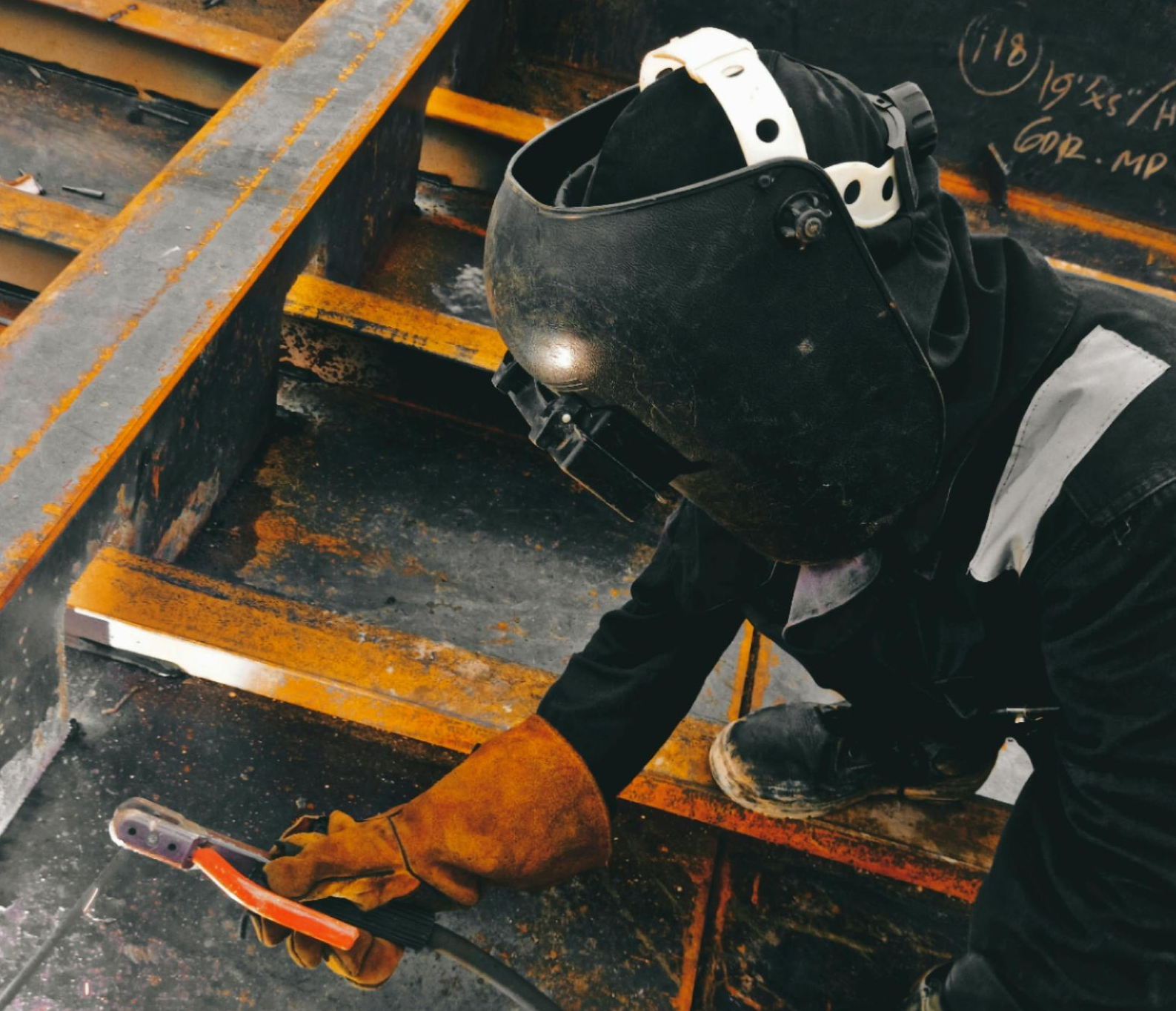
Sub-contract arrangements can cover the full fabrication process from raw material through to finished, painted steelwork, or they can focus on specific stages such as cutting and drilling, shot blasting, or welding and assembly. The scope is defined by the specific requirements of the project and the capacity of both parties.
When Does Sub-Contract Steel Fabrication Make Sense?
There are several situations in which sub-contracting fabrication work is not just a practical option but the most commercially sensible route available.
When your workshop is at capacity
One of the most common reasons companies turn to sub-contract fabrication is simple: their own facility is fully committed. Taking on additional work when your team is already stretched risks compromising quality, missing deadlines and damaging client relationships.
Rather than turning down work or overloading your team, sub-contracting allows you to maintain your output and meet programme requirements without putting your existing projects at risk.
When a project requires specialist equipment or processes
Not every fabrication business has the same range of machinery and capabilities. Some projects require CNC plasma profiling, high-capacity shot blasting or heavy lifting equipment that a particular workshop does not have available.
Rather than investing in expensive capital equipment for a single project or series of projects, sub-contracting to a facility that already has those capabilities in house is a faster and more cost-effective solution.
When you need to scale quickly
Construction workloads are rarely predictable. A busy period can arrive quickly, and the ability to scale capacity at short notice is invaluable. A trusted sub-contract fabrication partner effectively extends your own capacity on demand, allowing you to take on larger or more complex projects with confidence.
When programme pressures are tight
On projects with demanding delivery schedules, having access to additional fabrication capacity can be the difference between hitting a programme milestone and missing it. A reliable sub-contract partner with the ability to mobilise quickly and turn work around efficiently can take significant pressure off the programme.
When you are expanding into new sectors or project types
For businesses looking to grow into new areas of construction or take on project types they have not worked on before, a sub-contract fabrication partner can provide the technical capacity and specialist knowledge needed to deliver while your own team builds experience.
What to Look for in a Sub-Contract Steel Fabrication Partner
Choosing the right sub-contract fabrication partner is critical. The quality of their work will reflect directly on your business, so due diligence is essential.
Accreditations and compliance
Any sub-contract fabrication partner you work with should hold the appropriate accreditations for structural steelwork. In the UK, this means fabricating to the relevant standards under EN 1090 and holding UKCA marking certification up to the required Execution Class for your project. Always ask to see documentation before entering into an agreement.
In-house capabilities
A fabricator with a broad range of in-house capabilities offers a more reliable and efficient service than one that relies on third parties for key stages of the process. Look for a facility that carries out cutting, drilling, shot blasting, welding and painting under one roof. This reduces the risk of delays and gives you a single point of accountability throughout the project.
Capacity and lead times
Before committing, have an honest conversation about current workload and available capacity. A fabrication partner who is already stretched may not be able to give your work the attention it requires. Confirm typical lead times and their ability to accommodate your programme requirements.
Track record and reliability
Ask for references or examples of previous sub-contract work. A fabricator with a strong track record of delivering quality work on time for other contractors is a much lower-risk choice than an unknown quantity, however competitive their pricing may appear.
Communication and responsiveness
On live construction projects, issues arise and decisions need to be made quickly. A sub-contract partner who communicates clearly, responds promptly and flags potential problems proactively is invaluable. Poor communication between a main contractor and a sub-contract fabricator is one of the most common causes of programme delays.
Sub-Contract Steel Fabrication at MAK Structures
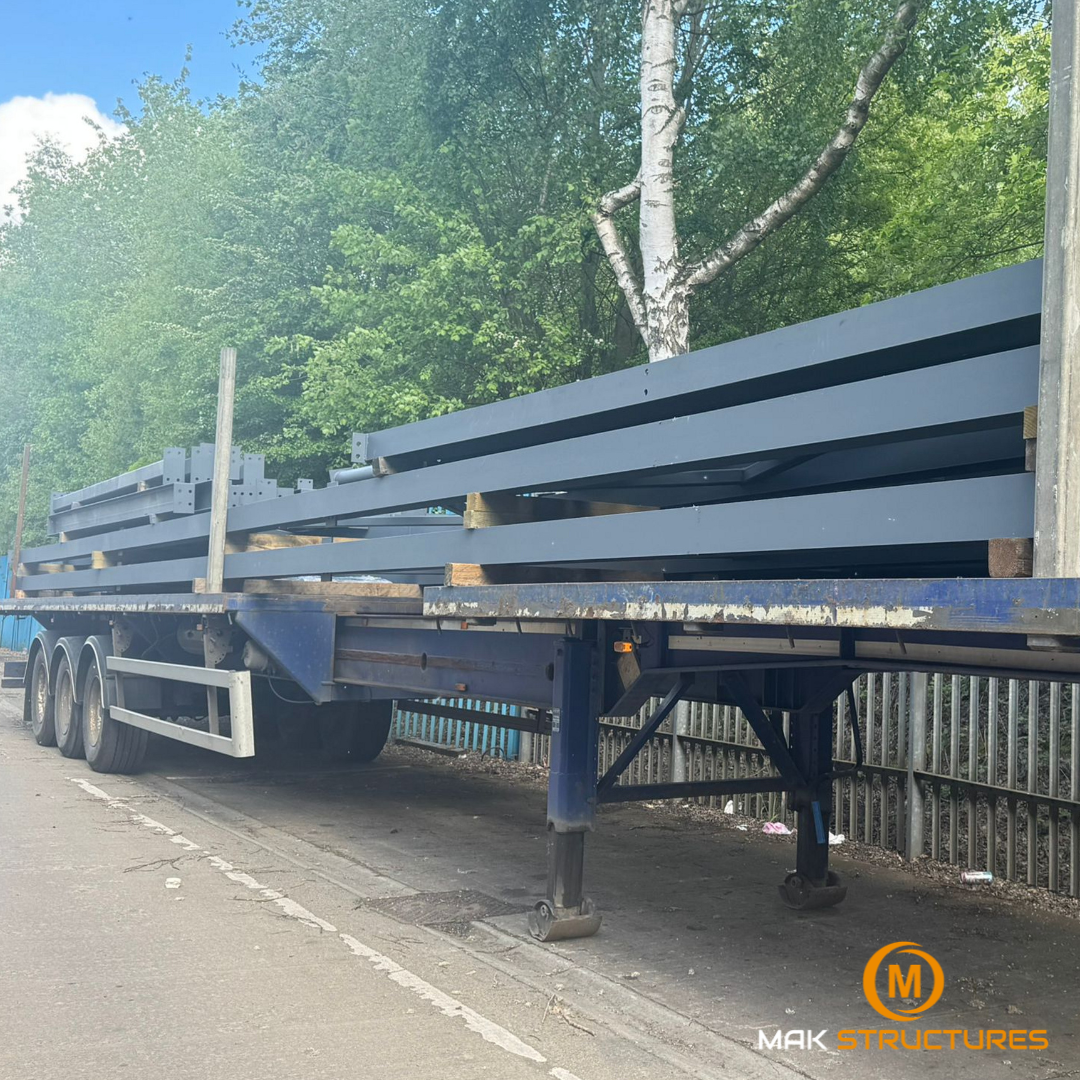
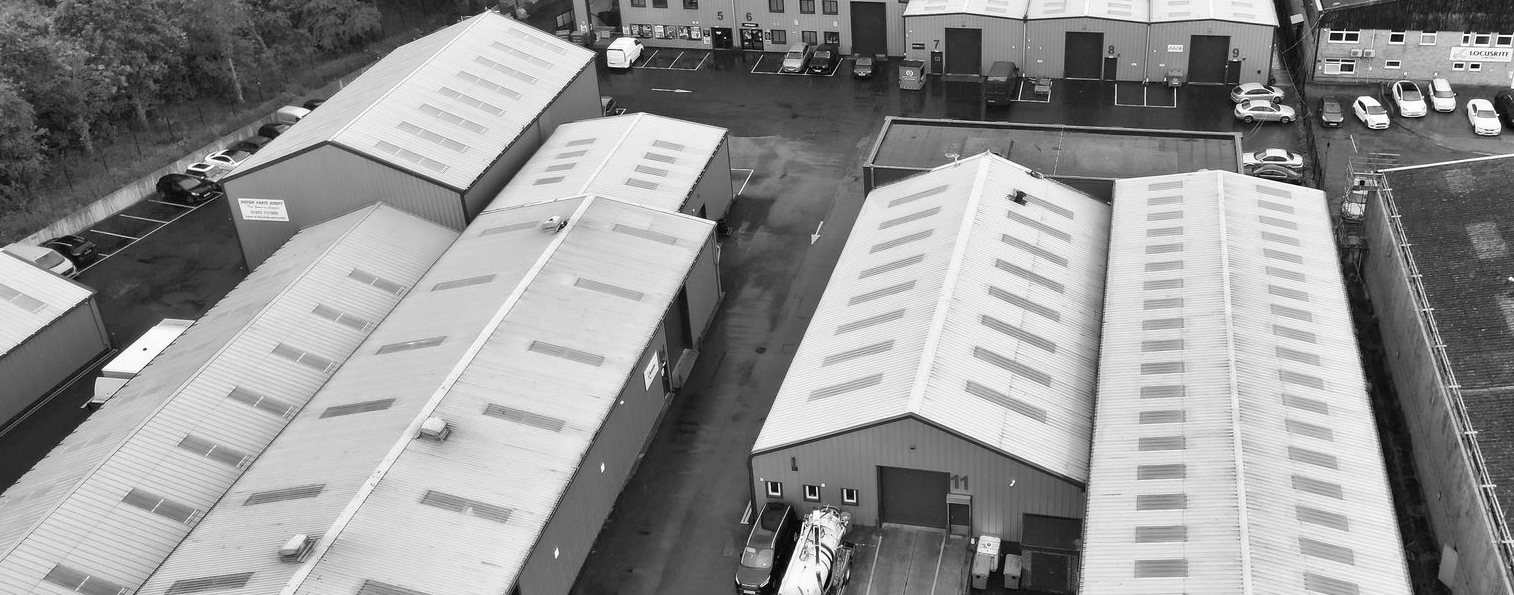
MAK Structures provides sub-contract steel fabrication services to contractors, fabricators and construction companies across the UK. Operating from our purpose-built 20,000 sq ft facility in Wakefield, West Yorkshire, we carry out every stage of the fabrication process in house, including cutting and drilling on our KALTENBACH saw and drill line, shot blasting, CNC plasma profiling, welding by our BS EN ISO 9601-1 coded team, and painting.
We hold UKCA marking certification and fabricate to Execution Class 3, giving clients confidence that every component leaving our facility meets the required standards for structural steelwork.
We regularly support other fabricators and main contractors during busy periods, providing reliable additional capacity without compromising on quality or delivery performance.
If you are looking for a dependable sub-contract fabrication partner for your next project, we would be pleased to discuss your requirements.