Bolted vs Welded Connections in Structural Steel: What Are the Differences?
Understanding Steel Connections: Bolted or Welded?
Every structural steel frame is held together by connections. Whether you are looking at a multi-storey commercial building, an industrial warehouse or a mezzanine floor, the connections between individual steel members are what transfer loads through the structure and ultimately determine how well it performs.
The two primary methods of connecting structural steelwork are bolting and welding. Both are widely used in UK construction, often within the same structure, and each has its own distinct advantages, limitations and appropriate applications.
In this article, we explain the key differences between bolted and welded connections, when each is typically specified, and what the choice means for the fabrication and construction process.
What Is a Bolted Connection?
A bolted connection joins two or more steel elements using steel bolts, nuts and washers, typically through pre-drilled holes in cleats, end plates or gusset plates that are welded or otherwise attached to the main steel members.
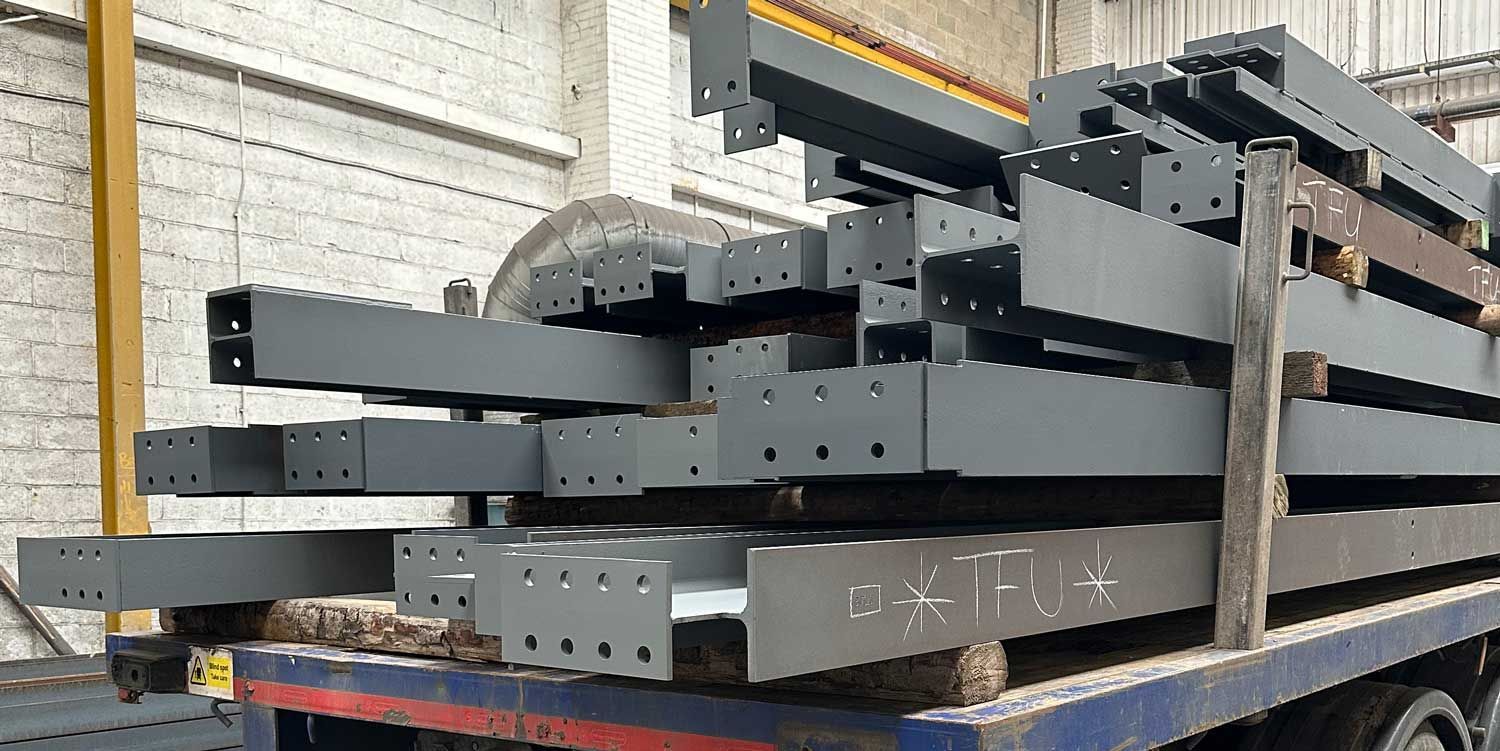
Bolted connections are the most common method of making connections on site during steel erection. Once the fabricated steel components arrive at site, they can be quickly assembled by the erection team using temporary or permanent bolts, without the need for specialist welding equipment or qualified welders on site.
The most common types of bolted connection used in structural steelwork include:
- Simple shear connections: designed to transfer vertical shear loads between members while allowing a degree of rotational flexibility. Examples include flexible end plates, fin plates and double angle cleats.
- Moment connections: designed to transfer both shear and bending moment between members, providing a more rigid joint. Extended end plate connections are a common example.
- Splice connections: used to join two lengths of the same member, typically a beam or column, in situations where the required length cannot be achieved with a single piece of steel or where the structure needs to be assembled in sections.
The design of bolted connections in the UK is governed by BS EN 1993 (Eurocode 3), and the bolts themselves must meet the requirements of BS EN 15048 for non-preloaded assemblies or BS EN 14399 for preloaded, high-strength friction grip (HSFG) bolt assemblies.
What Is a Welded Connection?
A welded connection fuses two or more steel elements together by applying heat to melt the base metal and a filler material, which solidify together on cooling to form a continuous, integral joint.
Welding creates a direct metallic bond between the connected parts and, when carried out correctly to the relevant standards, produces a connection that can be as strong as or stronger than the parent material itself.
Welding in structural steel fabrication is most commonly carried out in the fabrication workshop rather than on site, where controlled conditions allow for better quality and consistency. The most widely used welding processes in structural steel fabrication are metal active gas (MAG) welding and metal inert gas (MIG) welding, with manual metal arc (MMA) welding also used in certain situations.
Common welded connections in structural steelwork include:
- Fillet welds: the most commonly used weld type in structural fabrication. A fillet weld is deposited in the corner formed by two steel faces meeting at an angle, typically 90 degrees. Fillet welds are used extensively for attaching cleats, end plates and stiffeners to beams and columns, as well as for assembling fabricated sections such as plate girders.
- Butt welds: used to join two steel elements end to end or edge to edge in the same plane. Full penetration butt welds are used where the full strength of the parent material needs to be developed at the joint. Butt welds are more demanding to execute than fillet welds and typically require a higher level of welder qualification and more rigorous inspection.
- Partial penetration welds: similar to butt welds but without full penetration through the thickness of the material. Used where full strength is not required at the joint and where a full penetration weld would be uneconomic.
The quality, size and type of welds in structural steelwork must comply with BS EN 1090 and the relevant welding standards, and welders must hold the appropriate coded qualifications. At MAK Structures, all welding is carried out by our BS EN ISO 9601-1 coded welding team, ensuring consistent quality and full compliance on every project.
Bolted vs Welded: A Direct Comparison
Both methods have their place in structural steelwork, and the choice between them is rarely black and white. Here is how they compare across the key considerations:
Speed of erection on site
Bolted connections have a significant advantage when it comes to site erection speed. Pre-drilled holes and factory-fitted end plates or cleats mean that components can be quickly assembled on site without specialist equipment, and bolted joints can be made and released relatively easily if adjustments are needed during erection.
Welded connections on site are significantly slower, require specialist equipment and qualified welders, and are much harder to reverse or adjust once made. For this reason, site welding is generally avoided where possible and is only specified where bolting is genuinely impractical.
Structural performance
Full penetration butt welds can develop the full strength of the connected members and, in the right application, provide a stiffer and stronger connection than an equivalent bolted joint. This makes welded connections the preferred choice for moment-resisting frames where stiffness and continuity are important structural requirements.
Bolted connections with appropriate end plate design can also develop significant moment capacity, and in many applications they perform just as well as welded alternatives. The choice will be driven by the structural analysis and the specific performance requirements of the joint.
Appearance
For steelwork where aesthetics matter, such as exposed structural frames in commercial interiors, welded connections are generally preferred because they produce a cleaner, more seamless appearance without the visible bolt heads and plate details associated with bolted connections.
Inspection and quality assurance
Both methods require inspection, but the nature of that inspection differs. Bolted connections can be visually checked relatively easily, and preloaded bolt assemblies can be torque-tested to verify the clamp force has been achieved.
Welded connections require more rigorous non-destructive testing (NDT) to verify quality, including visual inspection, magnetic particle inspection (MPI) and, for full penetration welds, ultrasonic testing (UT) or radiographic testing (RT). The level of inspection required is determined by the execution class of the structure under BS EN 1090.
Cost
Bolted connections are generally less expensive to fabricate and erect than welded connections of equivalent structural capacity. The additional time, skill and inspection requirements associated with welding, particularly for full penetration butt welds, mean that welding typically adds cost compared to an equivalent bolted solution.
However, this comparison is not always straightforward. A complex bolted connection with multiple plates and large numbers of bolts can be more expensive to fabricate than a clean welded alternative, and the relative costs will depend on the specific joint configuration and the fabricator's capabilities.
Flexibility and disassembly
Bolted connections can be disassembled and reassembled, which is an important consideration for temporary structures, relocatable buildings or steelwork that may need to be adapted or extended in future. Welded connections are permanent and cannot practically be undone without cutting.
Which Connection Type Is Used in Practice?
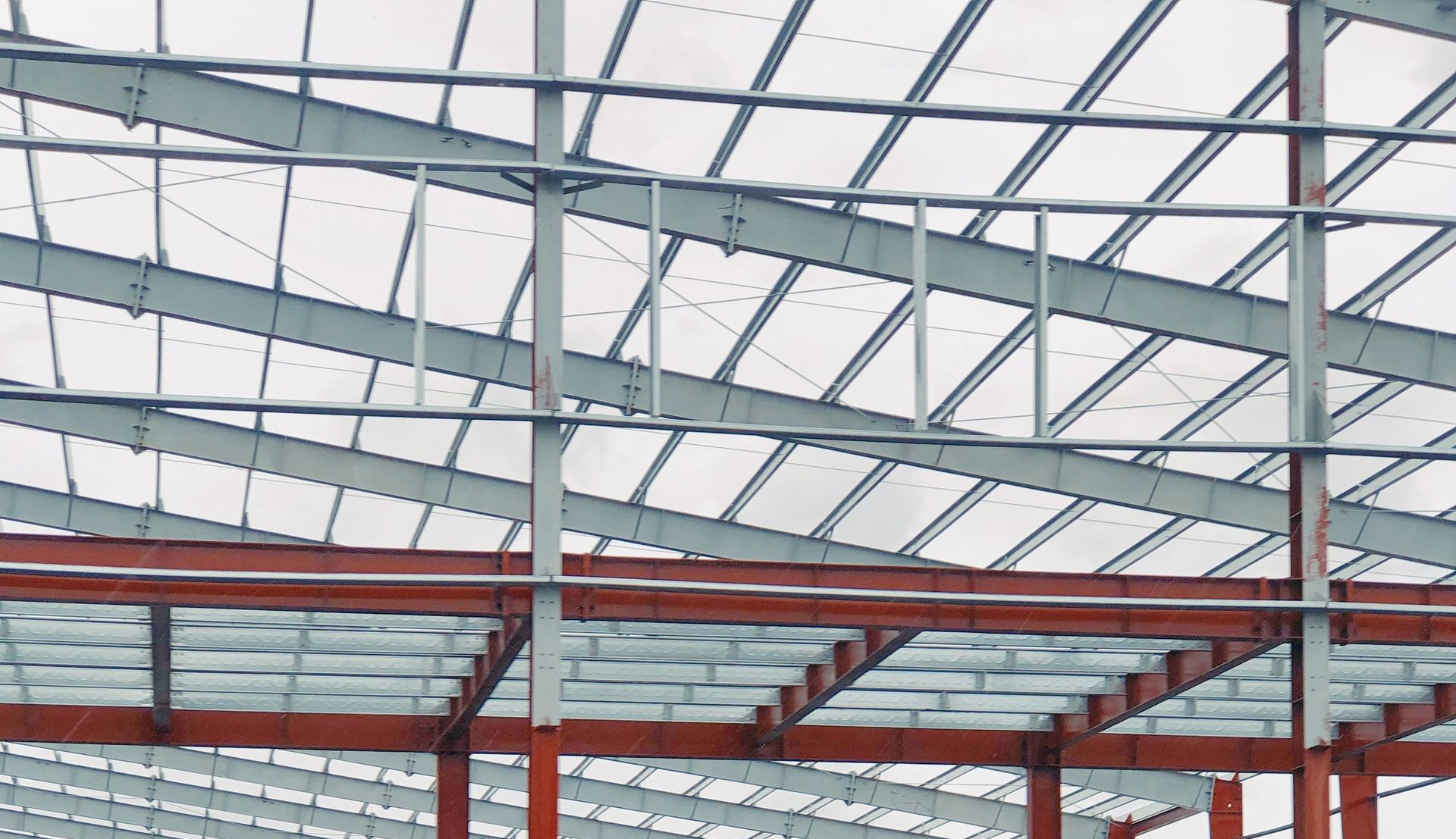
In the vast majority of structural steel frames in the UK, both bolted and welded connections are used together. The typical arrangement is to carry out as much welding as possible in the fabrication workshop, where conditions are controlled and quality can be closely managed, and then to use bolted connections on site for the primary erection joints.
For example, end plates and stiffeners will typically be welded to beams and columns in the workshop. Those fabricated components are then delivered to site and connected to each other using bolts, allowing the frame to be erected quickly and efficiently without site welding.
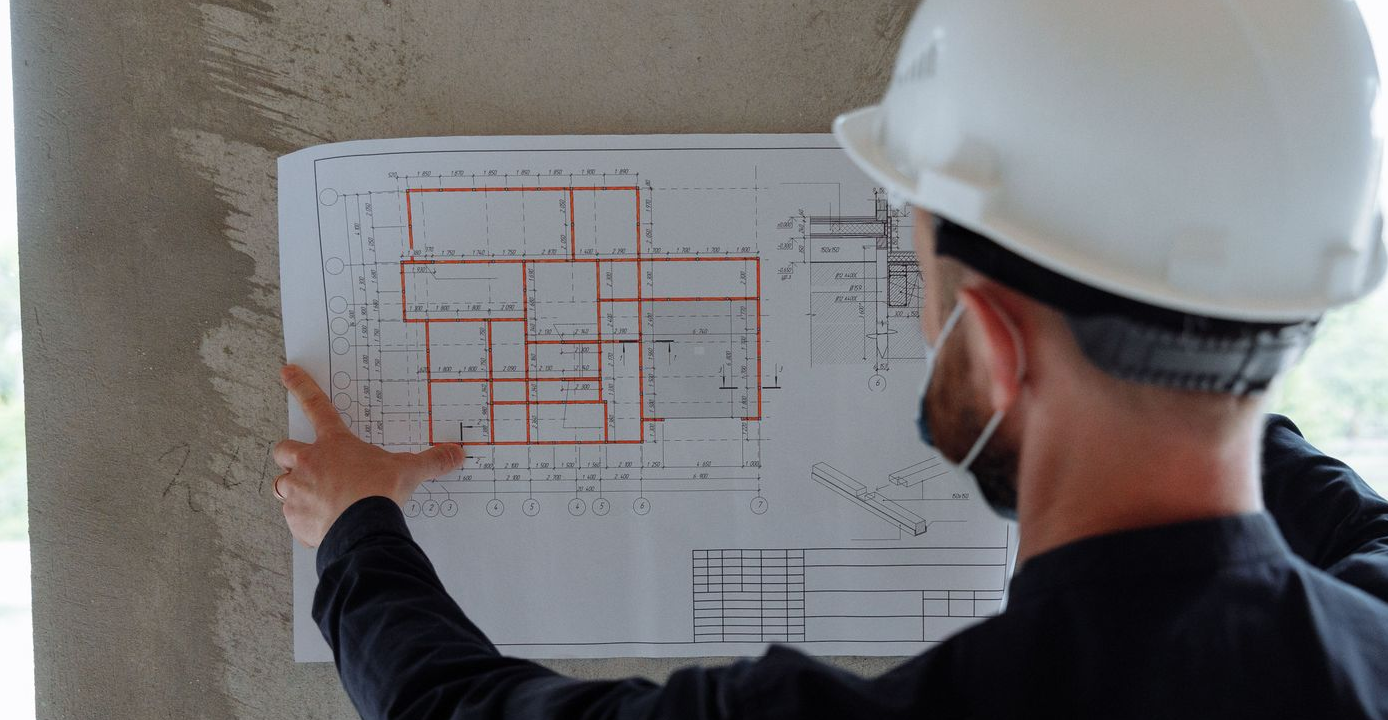
The specific connection design for a structural steel frame is the responsibility of the connection engineer, working within the structural engineer's overall design. The fabricator's role is to produce the connections accurately and to the relevant standards, which requires close coordination between the design team and the fabrication workshop.
Working with MAK Structures
At MAK Structures, we have extensive experience fabricating both bolted and welded structural steel connections across a wide range of commercial and industrial projects. Our in-house welding team hold BS EN ISO 9601-1 coded qualifications, and all fabrication is carried out to BS EN 1090 and UKCA marking requirements up to Execution Class 3.
Whether your project specifies bolted connections, welded assemblies or a combination of both, our team has the skills, equipment and experience to deliver accurately and on programme