Protective Coatings for Structural Steel: Primer, Paint and Corrosion Protection Explained

Joe Holdsworth • May 23, 2026

Why Protective Coatings Matter in Structural Steel Fabrication

Structural steel is one of the most durable and reliable construction materials available. But without the right protective coating, it is vulnerable to corrosion, which over time can compromise the integrity of the structure, create costly maintenance requirements and reduce the service life of the building significantly.


Choosing the correct protective coating system for a structural steel frame is an important part of the design and specification process, and understanding the options available helps contractors, engineers and clients make informed decisions at the outset of a project rather than discovering problems further down the line.


In this guide, we explain the main types of protective coating used on structural steelwork, how the specification is determined, and what happens during the coating process at a fabrication facility.

Why Steel Corrodes and Why It Matters

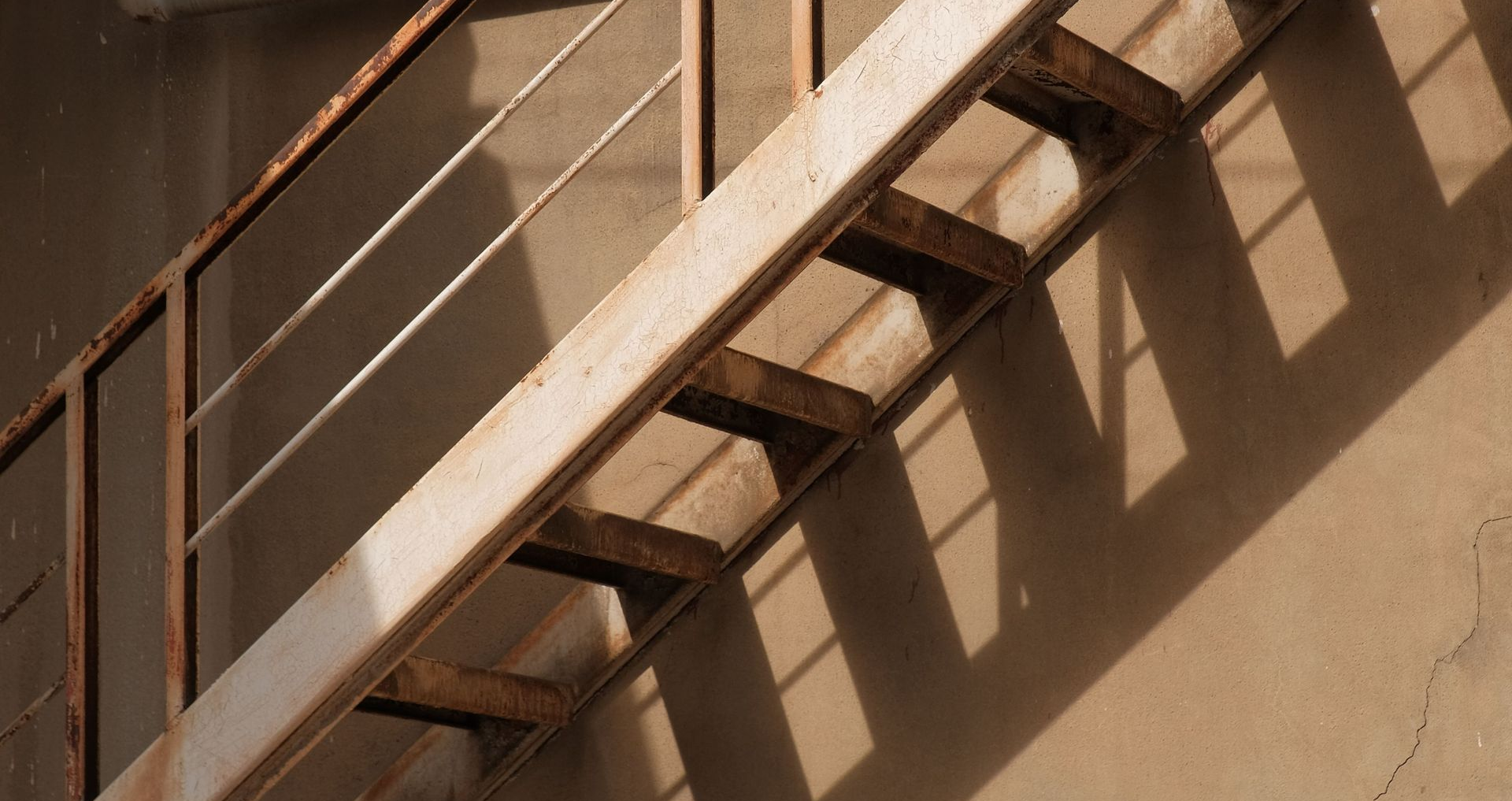
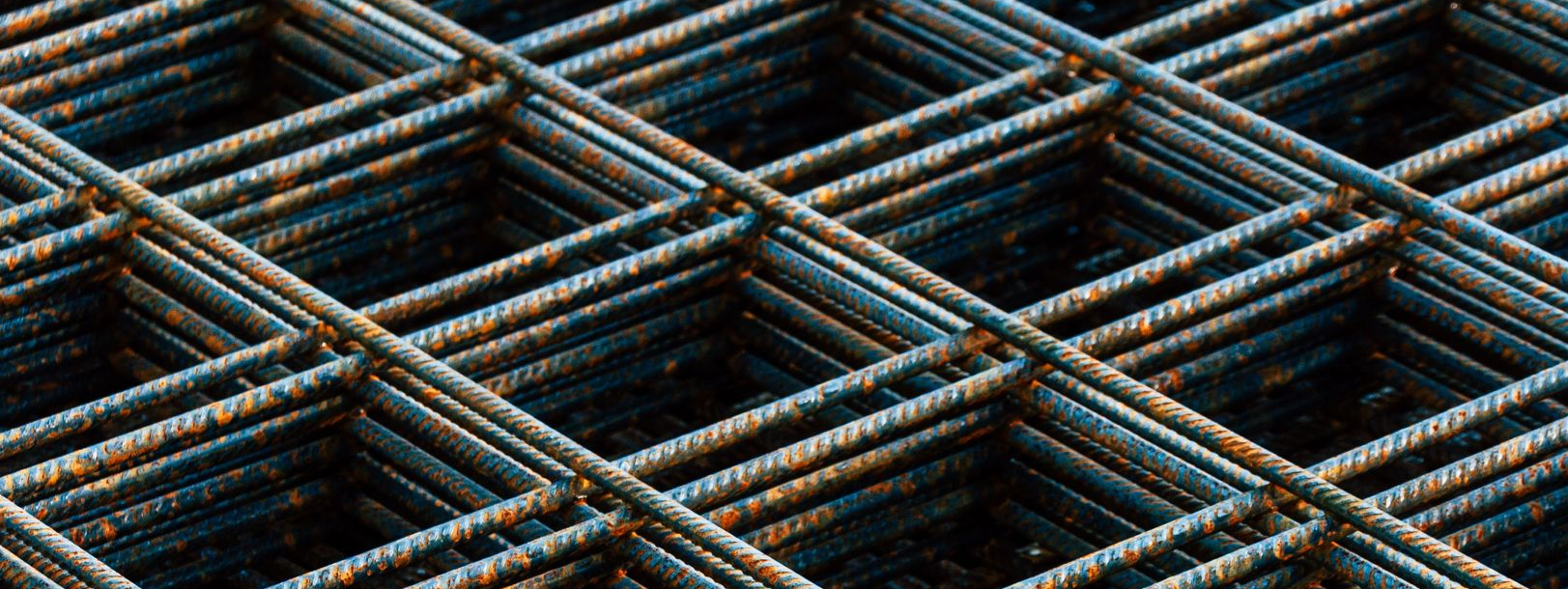
Steel corrodes when iron in the material reacts with oxygen and moisture in the surrounding environment, producing iron oxide, more commonly known as rust. Left unchecked, corrosion progressively weakens the steel, reduces its cross-section and eventually compromises its structural performance.


The rate at which steel corrodes depends heavily on the environment it is exposed to. Steel in a dry, internal environment corrodes slowly and may require only minimal protection. Steel in a coastal environment, an industrial atmosphere or a permanently wet or buried situation corrodes far more rapidly and requires a significantly more robust protective system.


Specifying the right level of protection from the outset is far more cost-effective than attempting to remediate corrosion once a structure is in service. A correctly specified and applied coating system can provide decades of protection with minimal maintenance, whereas an underspecified system may require costly recoating within just a few years.

Corrosivity Categories

The starting point for specifying a protective coating system for structural steel is determining the corrosivity category of the environment in which the steelwork will be installed.


This is defined in BS EN ISO 12944, the international standard for the corrosion protection of steel structures by protective paint systems.


The standard defines six corrosivity categories:

  • C1 - Very low: Typically heated internal spaces with low humidity and minimal pollution, such as offices and schools. Minimal coating requirements.
  • C2 - Low: Unheated internal spaces such as warehouses and sports halls, or external environments in rural areas with low pollution. Basic primer and topcoat generally sufficient.
  • C3 - Medium: Internal spaces with moderate humidity such as food processing facilities, laundries and breweries, or external environments in urban and industrial areas with moderate sulphur dioxide pollution. A more robust coating system is required.
  • C4 - High: Industrial environments and coastal areas with moderate salinity. Requires a high-performance coating system with extended durability.
  • C5 - Very high: Industrial environments with high humidity and aggressive atmospheres, or coastal and offshore environments with high salinity. Requires the most robust coating systems available.
  • CX - Extreme: Offshore structures in aggressive marine environments or industrial environments with extreme humidity and pollution. Specialist coating systems required. For the majority of commercial and industrial building projects in the UK, steelwork will fall into categories C1 to C3. The structural engineer or corrosion protection specialist will confirm the appropriate category as part of the design specification.

The Coating System: Shot Blasting, Primer and Paint

A protective coating for structural steel is not a single product but a system of layers, each serving a specific purpose. The process typically involves three stages: surface preparation, priming and finish coating.


Surface preparation - shot blasting

Effective corrosion protection starts with the condition of the steel surface. Any millscale, rust, grease or contamination on the surface of the steel will significantly reduce the adhesion and effectiveness of any coating applied over it.


Shot blasting is the most effective and widely used method of preparing structural steel for coating. The process propels abrasive steel shot at high velocity against the surface of the steel, removing all surface contamination and creating a clean, profiled surface that provides an excellent key for the primer.


The standard for surface preparation is defined in BS EN ISO 8501. For most structural steel applications, a blast standard of Sa 2.5 is specified, which equates to a very thorough blast cleaning that removes virtually all millscale, rust and foreign matter, leaving the surface with a greyish metallic appearance.


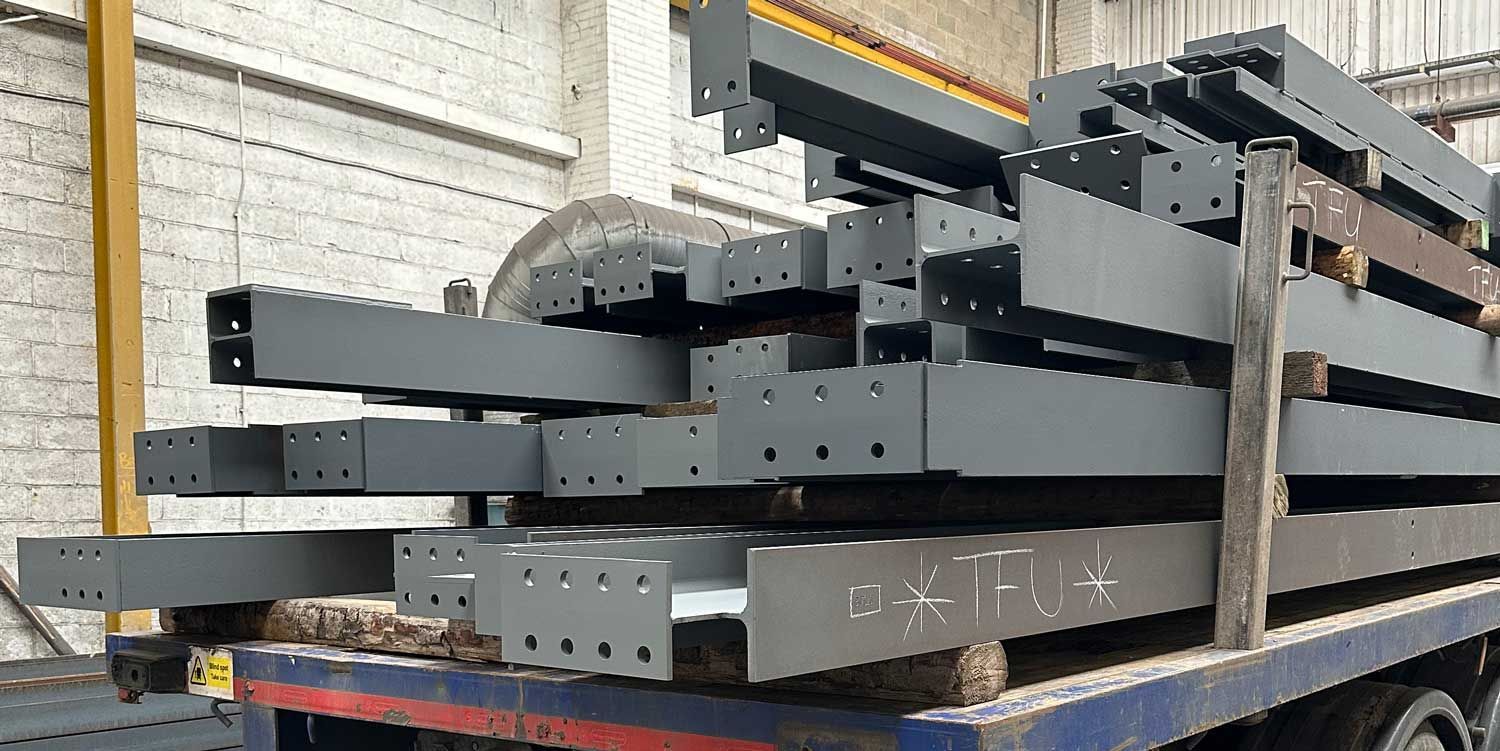
At MAK Structures, shot blasting is carried out in house at our Wakefield facility before any primer or paint is applied. This ensures that the surface preparation standard is controlled, consistent and verified before the coating process begins.


Primer

The primer is applied directly to the blast-cleaned steel surface and is the most critical layer in the coating system. Its primary function is to provide corrosion inhibition and adhesion for the subsequent topcoat.


Common primer types used on structural steel include zinc phosphate primers, zinc-rich primers and epoxy primers, each offering different levels of corrosion resistance and compatibility with different topcoat systems. The choice of primer is determined by the corrosivity category and the overall coating system specification.


Priming should be carried out as quickly as possible after shot blasting to prevent flash rusting, which occurs when moisture in the atmosphere begins to react with the freshly cleaned steel surface. In a controlled fabrication environment, this interval can be managed effectively, which is one of the advantages of having shot blasting and painting in the same facility.


Topcoat and finish coat

The topcoat provides the final layer of protection and, where required, the specified colour finish. Topcoat systems range from single-coat alkyd or chlorinated rubber paints through to high-build epoxy and polyurethane systems, depending on the durability and environmental resistance required.


For steelwork that will be visible or exposed to view once installed, the topcoat also provides the aesthetic finish and the specified colour to the RAL or BS standard required by the project.


For steelwork that will be encased in concrete or permanently hidden behind cladding or board, a simple primer coat is often all that is required, and a finish coat may not be specified at all.

Intumescent Coatings and Fire Protection

In addition to corrosion protection, structural steelwork often requires passive fire protection to maintain the structural integrity of the frame in the event of a fire. One of the most widely used methods of achieving this is intumescent paint.


Intumescent coatings are applied to the steel in the same way as conventional paint but contain a chemical compound that reacts when exposed to heat. In a fire, the coating expands significantly to form a thick, insulating char layer that protects the steel from the intense heat and delays the onset of structural failure.


The thickness of intumescent coating required depends on the fire resistance period specified for the structure (typically 30, 60 or 90 minutes), the section factor of the steel members and the type of intumescent product being used. These calculations are carried out by a fire protection specialist or the intumescent manufacturer's technical team.


Intumescent coatings can be applied in conjunction with conventional corrosion protection primers and topcoats, and the sequence of application must follow the manufacturer's guidelines and the project specification carefully.

Galvanising as an Alternative to Paint

For steelwork in particularly aggressive environments or where long-term, low-maintenance protection is a priority, hot-dip galvanising is an alternative to paint-based coating systems.


Galvanising involves immersing the fabricated steelwork in a bath of molten zinc, which forms a metallurgically bonded zinc coating over the entire surface of the steel, including any internal faces, hollow sections and recesses that a paint brush or spray gun may struggle to reach.


Zinc is sacrificial, meaning that even where the coating is scratched or damaged, the surrounding zinc corrodes preferentially to the underlying steel, providing ongoing protection to the exposed area.


Galvanised steelwork is commonly specified for external structures, bridges, handrails, balustrades and other applications where long service life with minimal maintenance is important. It is less commonly used for primary structural frames in commercial buildings, where paint-based systems are typically more practical and cost-effective.

Working with MAK Structures

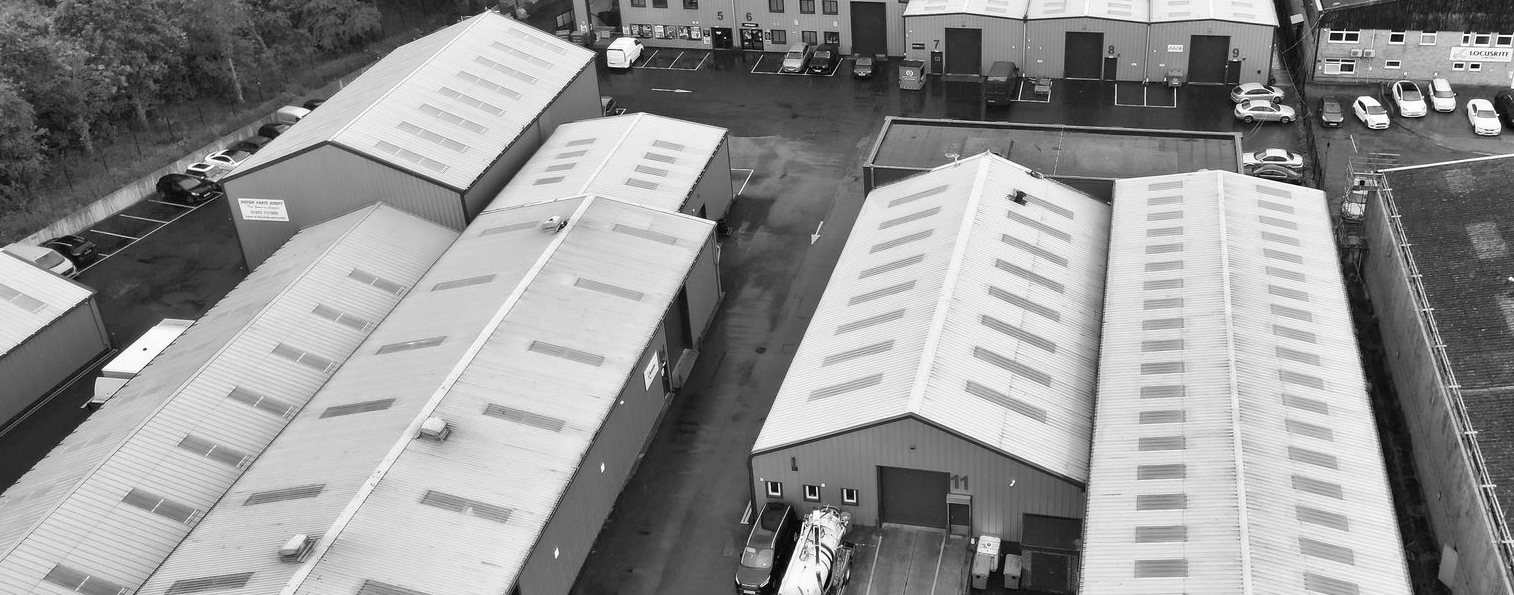
At MAK Structures, protective coating is an integral part of our fabrication process. Our purpose-built facility in Wakefield includes in-house shot blasting to Sa 2.5 standard and a dedicated painting facility, allowing us to control surface preparation and coating application within the same production environment.


We apply primer and finish coats to the project specification, working with a range of coating systems to suit different corrosivity categories and aesthetic requirements. For projects requiring intumescent coatings or specialist finishes, we can coordinate with approved applicators to ensure the full specification is met.


If you have a project requiring fabricated and coated structural steelwork, get in touch with our team to discuss your requirements.

Recent Posts

Load of structural steel for delivery
By Joe Holdsworth May 8, 2026
Not sure which structural steel grade your project needs? Our guide explains the most common grades used in UK construction, from S275 to S355, and when to use each one.

Structural Steel Building
By Joe Holdsworth April 27, 2026
Understand typical structural steel fabrication lead times, the factors that affect them, and how to plan your construction programme around them effectively.
By Joe Holdsworth April 10, 2026
Discover what sub-contract steel fabrication involves, when it makes commercial sense, and what to look for in a reliable sub-contract fabrication partner.
MAK Structures Workshop with a load of steel
By Joe Holdsworth March 27, 2026
Choosing the right structural steel fabricator is critical to your project's success. Discover the key factors to look for, from accreditations and in-house capabilities to capacity and delivery reliability.
Structural Steel on Wagon
By Joe Holdsworth March 13, 2026
Discover why in house steel processing improves efficiency, quality and project timelines in structural steel fabrication and commercial construction projects.
Steel Building
By Joe Holdsworth February 27, 2026
Learn why steel tolerances are critical in structural steel fabrication. Discover how accurate fabrication improves installation, compliance and project efficiency.
complete steel staircase on the outside of a building
By Joe Holdsworth February 13, 2026
Learn what secondary steelwork is and why it is essential in commercial and industrial construction projects. Discover its role in safety, stability and building performance.
Multiple Roads
By Joe Holdsworth January 23, 2026
Discover how structural steel fabrication supports modern infrastructure projects across the UK, from commercial buildings to large scale developments, and why precision fabrication matters.
Safety Worker in high vis
By Joe Holdsworth December 31, 2025
Explore the key safety standards in steel fabrication, from UKCA certification to welding and inspection best practices. Learn how compliance ensures strong, reliable structures.
man welding steel
By Joe Holdsworth December 5, 2025
Learn what CE marking means for structural steel, why it matters in construction, and how it ensures safety and compliance across fabrication projects.
Show More