The Role of Steel Fabrication in Modern Infrastructure Projects
Supporting the Structures We Rely on Every Day
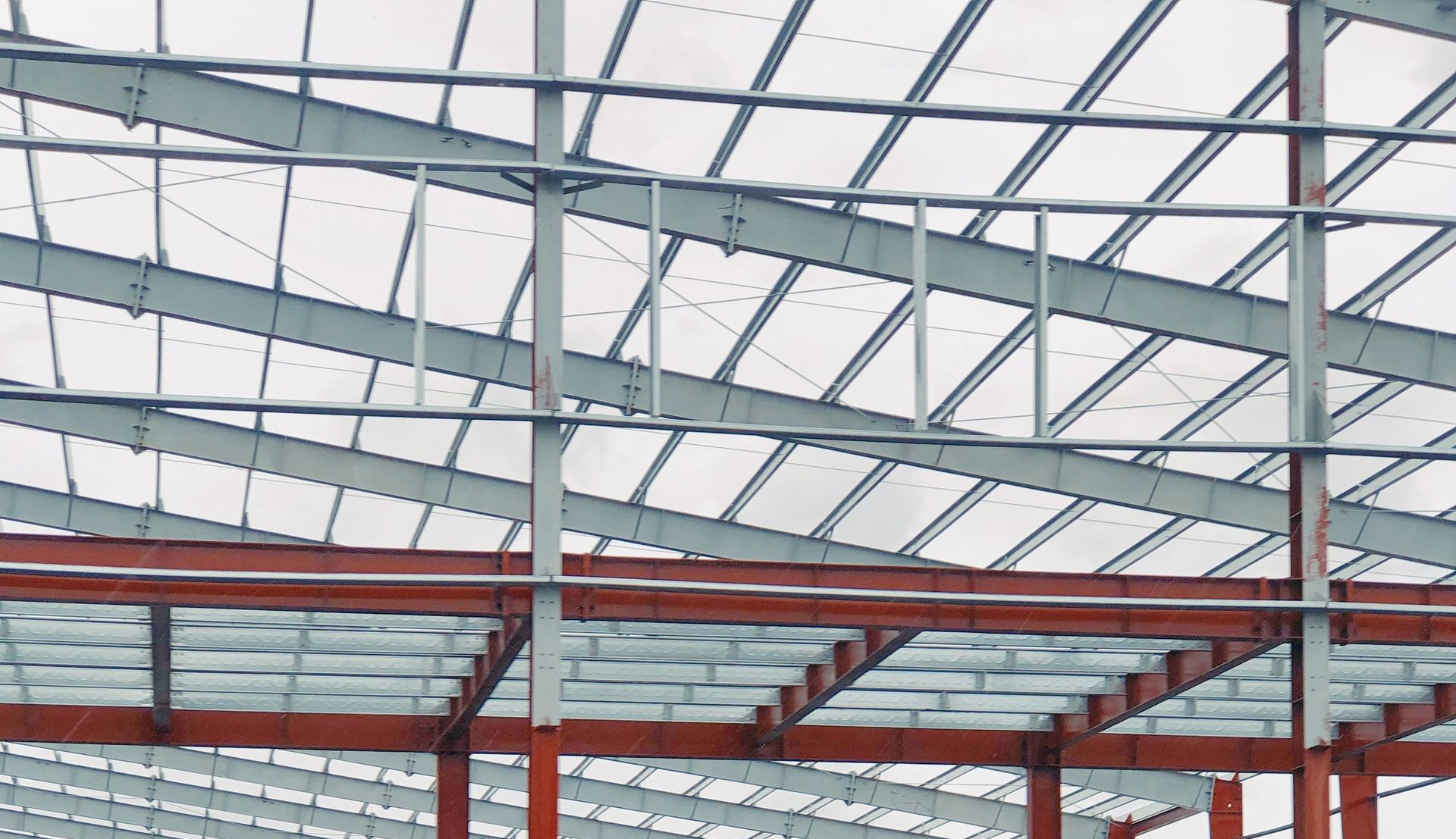
From transport hubs and education facilities to retail parks and industrial units, steel plays a critical role in modern infrastructure. Behind every successful build is a carefully planned and precisely executed steel fabrication process that ensures strength, safety and longevity.
In this blog, we explore how structural steel fabrication supports large scale infrastructure projects and why choosing the right fabrication partner is essential.
Why Steel Is Central to Infrastructure Development
Infrastructure projects demand materials that can handle heavy loads, complex designs and long service lives. Structural steel meets these requirements better than almost any other construction material.
Steel offers a high strength to weight ratio, allowing large spans and open spaces without excessive material use. This makes it ideal for bridges, commercial buildings, schools, hospitals and transport facilities where both performance and efficiency matter.
Steel is also highly adaptable, enabling engineers and architects to design structures that can evolve over time as usage changes.
Precision Fabrication for Complex Projects
Infrastructure builds often involve tight tolerances, phased deliveries and strict compliance requirements. This makes precision steel fabrication essential.
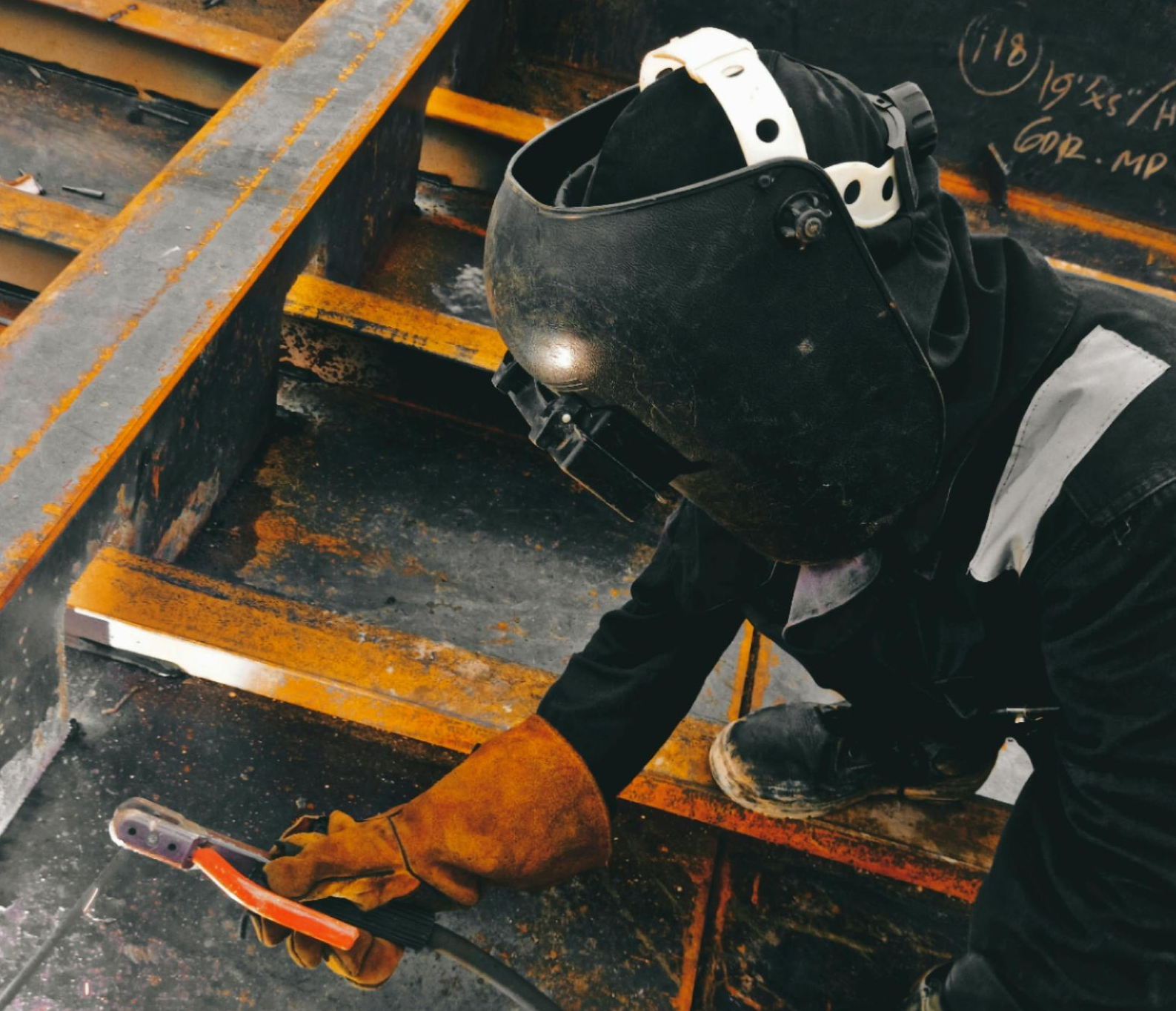
Accurate cutting, drilling and assembly ensure that components fit correctly on site, reducing delays and costly adjustments during installation. Consistency across fabricated elements also improves safety and speeds up erection, particularly on large projects with repeatable components.
A controlled fabrication environment allows quality checks to be carried out throughout the process, helping to maintain structural integrity from workshop to site.
Managing Programme Pressures and Capacity Challenges
Large infrastructure projects frequently operate under demanding timelines. Delays in one area can have a knock on effect across the entire programme.
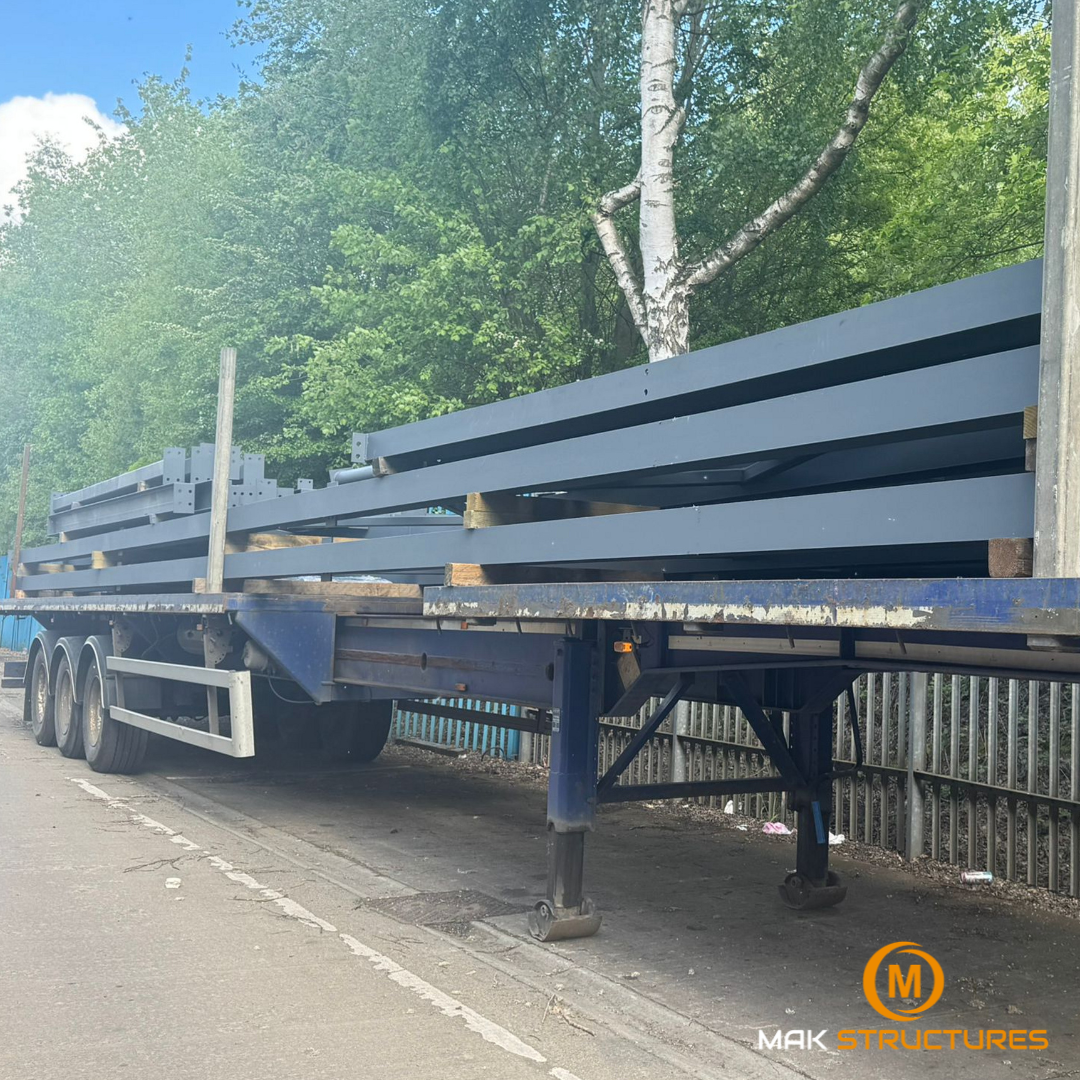
Working with an experienced steel fabricator can help mitigate these risks. Additional processing and fabrication capacity allows contractors to manage peak workloads more effectively, ensuring steelwork is delivered when it is needed without compromising quality.
This flexibility is especially valuable when projects scale up quickly or unexpected changes arise.
Compliance and Quality Assurance in Steel Fabrication
Infrastructure projects must meet strict industry standards and regulations. Steel fabrication plays a key role in ensuring compliance through controlled processes, documentation and traceability.
Certified fabrication procedures help guarantee that steel components meet structural and safety requirements. Clear communication between fabricator, contractor and project team ensures expectations are aligned and risks are minimised.
Quality assurance throughout fabrication helps deliver structures that perform as intended over their full design life.
The Long Term Value of Well Fabricated Steel
Beyond construction, the quality of steel fabrication has a lasting impact on maintenance and operational costs. Well fabricated steel components are easier to inspect, maintain and adapt over time.
This long term reliability is one of the reasons steel remains a preferred material for critical infrastructure across the UK.
Choosing the Right Steel Fabrication Partner
Successful infrastructure projects depend on collaboration, experience and reliability. Choosing a steel fabrication partner with the right facilities, skills and capacity can make a significant difference to programme delivery and overall project success.
Whether supporting large scale commercial developments or complex public sector projects, high quality steel fabrication remains a cornerstone of modern infrastructure.