The Importance of Early Design Coordination in Structural Steel Projects
Steel or Concrete? Understanding the Choice at the Heart of Your Building Project
Early planning is one of the biggest factors in the success of any structural steel project. While fabrication quality and installation are essential, many of the most common delays and costly issues can be avoided long before steel reaches the workshop.
By bringing together the design team, engineers and steel fabricator at an early stage, projects can progress more efficiently, reducing rework, improving accuracy and helping construction programmes stay on track.
What Is Design Coordination?
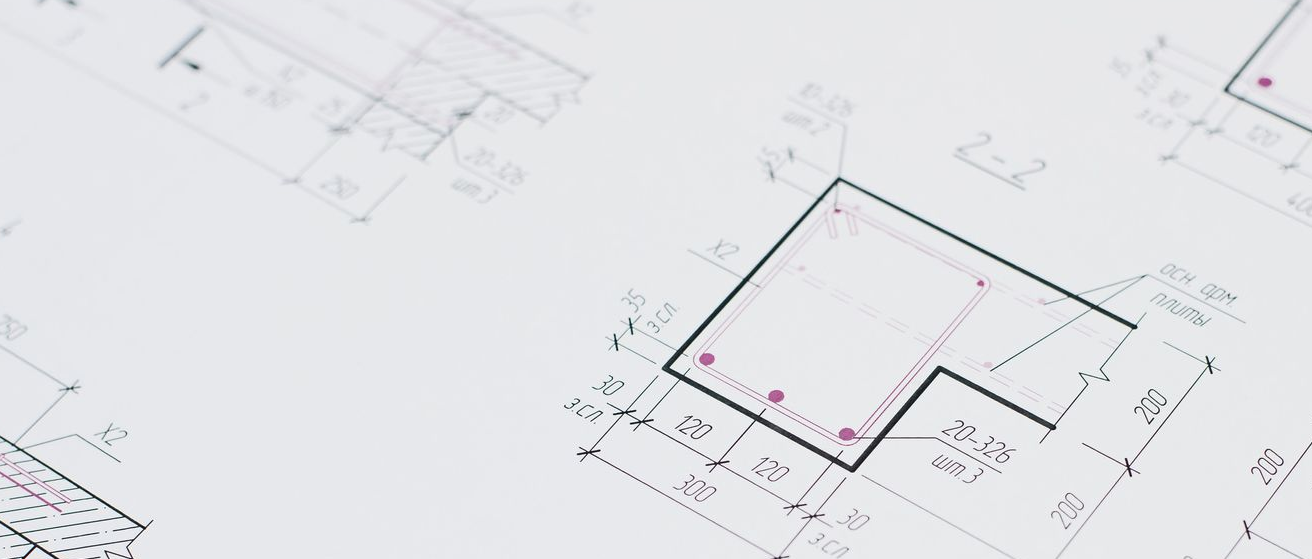
Design coordination is the process of ensuring that everyone involved in a project is working from the same information before fabrication begins.
This includes reviewing structural drawings, connection details, steel member sizes, tolerances and site requirements. Any discrepancies can be identified and resolved before materials are processed, helping to avoid problems later in the project.
Good communication between architects, structural engineers, main contractors and fabricators is key to delivering a successful outcome.
Why Early Coordination Matters
Fewer Delays
One of the biggest causes of programme delays is discovering design issues after fabrication has already started.
Reviewing drawings and specifications early allows any changes to be made before steel is cut, drilled or assembled, helping projects stay on schedule.
Greater Accuracy
Structural steel is manufactured to precise dimensions. Early coordination ensures that every beam, column and connection has been checked before production begins, reducing the likelihood of costly alterations.
Improved Cost Control
Changes made during fabrication or after steel has been delivered to site are often significantly more expensive than resolving them during the design phase.
By identifying potential issues early, contractors can reduce unnecessary costs and minimise material waste.
Faster Installation
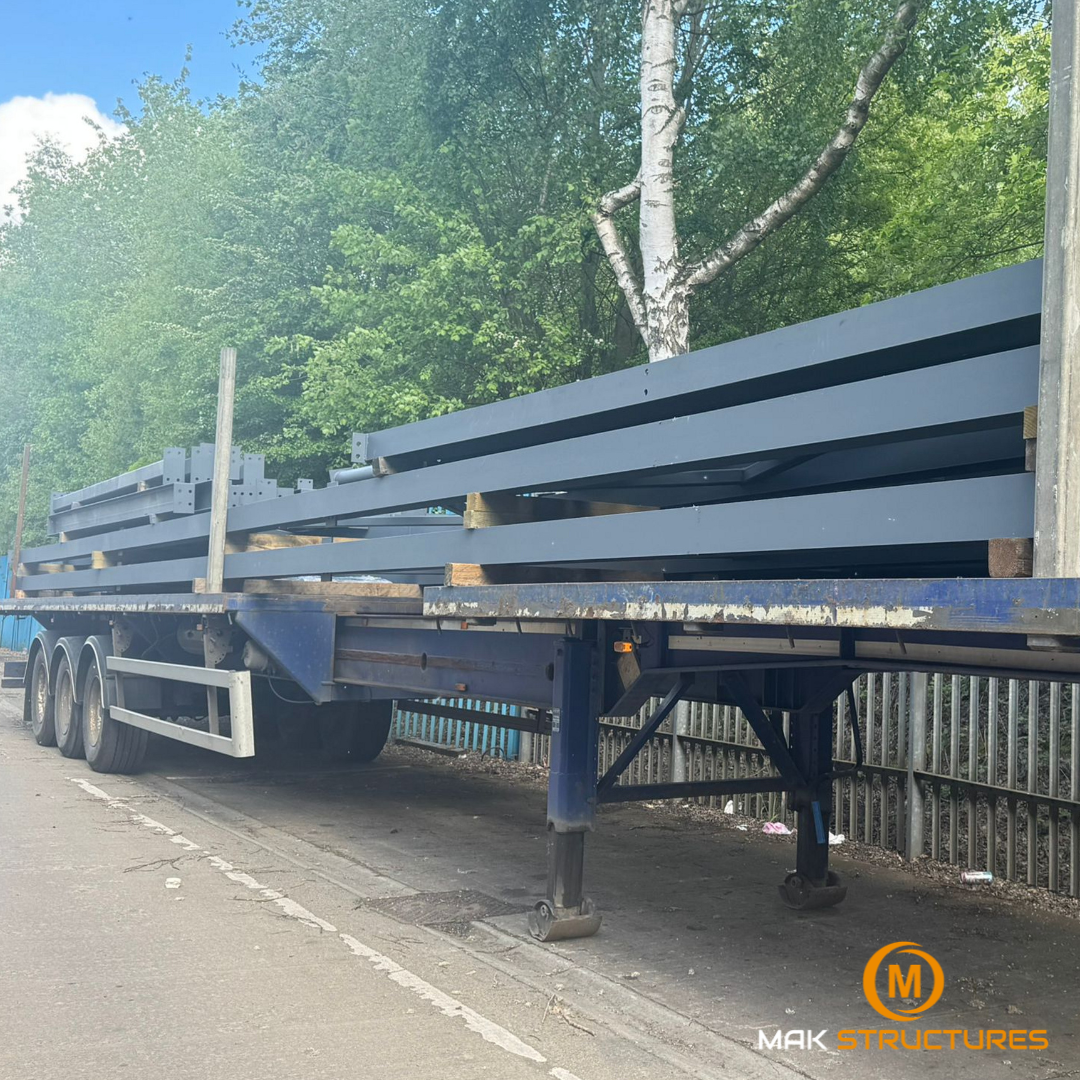
When fabricated steel arrives on site exactly as required, installation becomes quicker and more efficient.
Well coordinated projects experience fewer interruptions, allowing erection teams to maintain momentum and complete work safely.
Common Areas That Benefit from Coordination
Several aspects of a project should always be reviewed before fabrication begins, including:
- Structural drawings and revisions
- Connection details
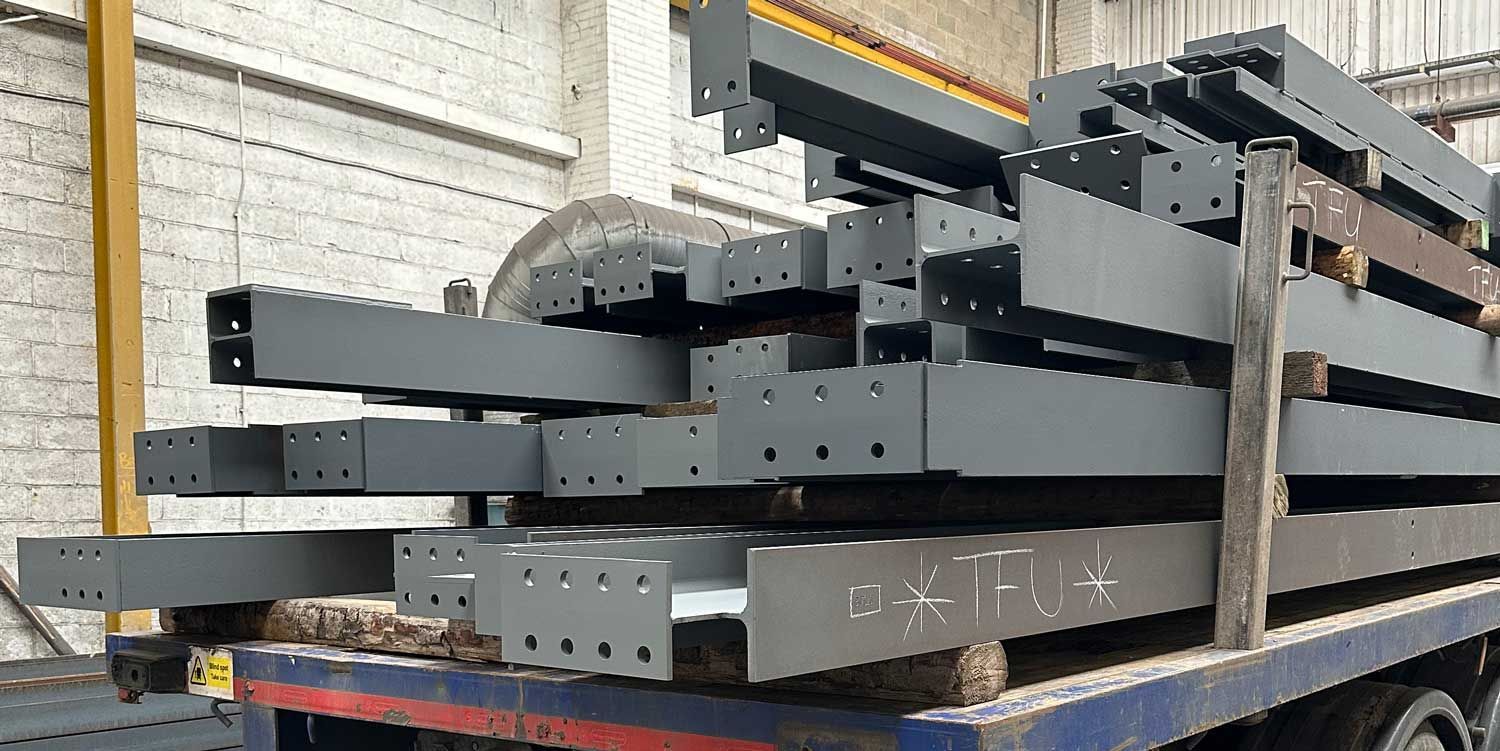
- Bolt locations and hole positions
- Member sizes and lengths
- Surface finish and coating specifications
- Delivery schedules and site access requirements
Taking the time to review these details helps ensure fabrication can proceed without unnecessary interruptions.
The Value of an In House Fabrication Team
Working with a steel fabricator that carries out processing and fabrication under one roof can further improve coordination.
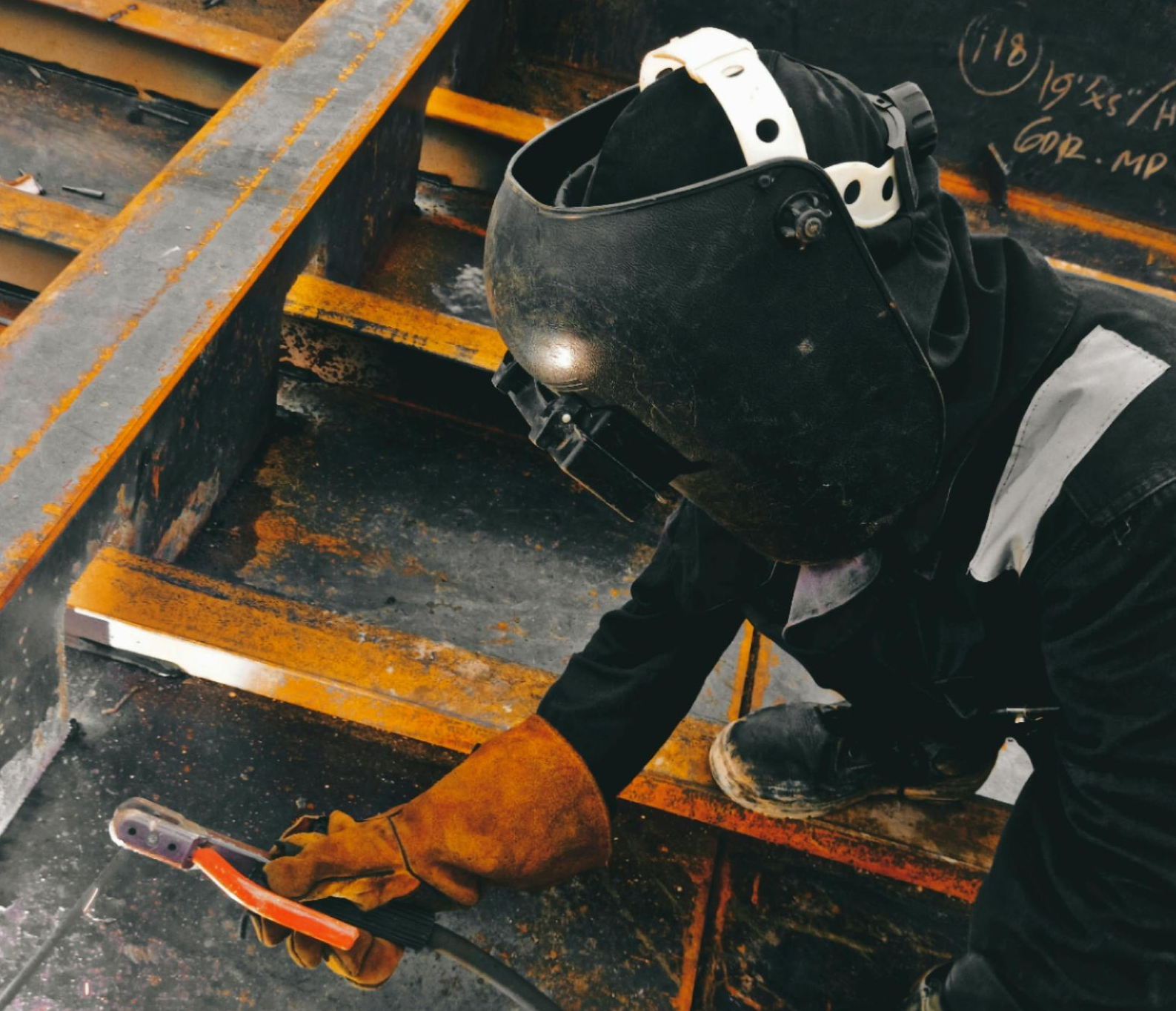
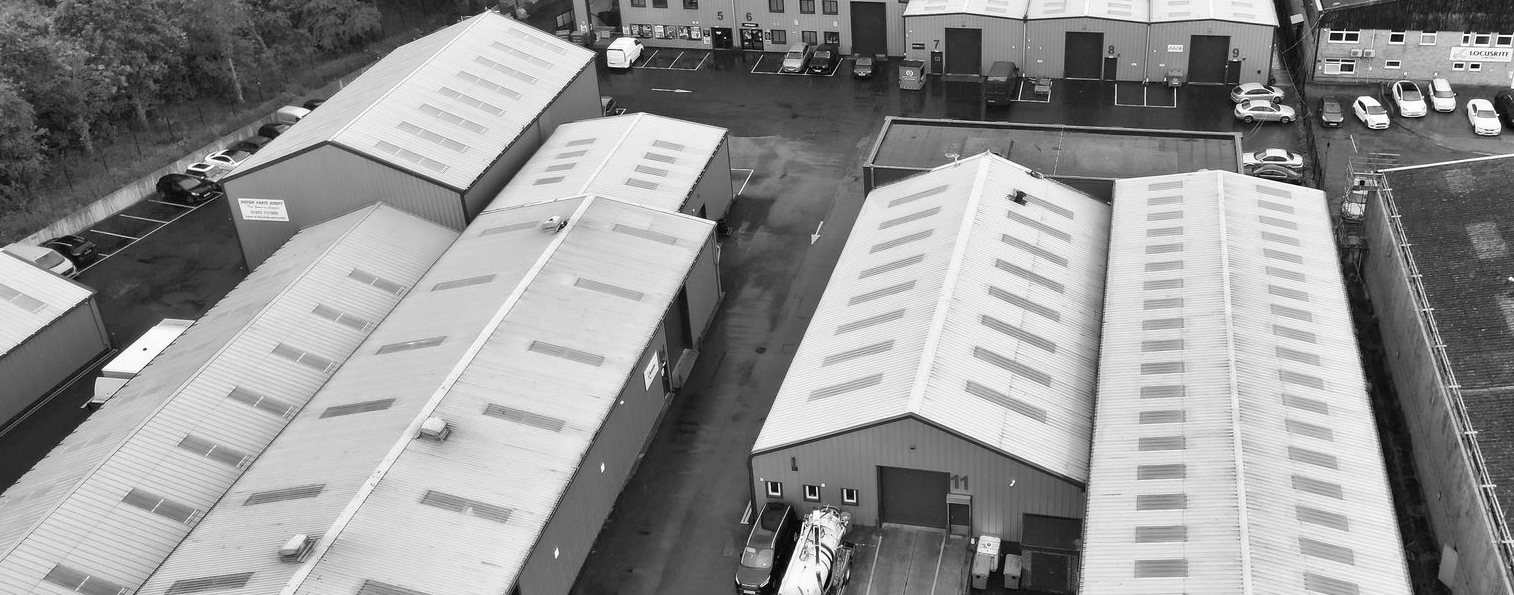
At MAK Structures, steel processing, fabrication and finishing are completed in house at our 20,000 sq ft Wakefield facility. This allows our team to maintain close communication throughout every stage of production, ensuring quality, consistency and efficient project delivery.
With UKCA Marking up to Execution Class 3, every project is manufactured to the highest industry standards while maintaining full traceability throughout the fabrication process.
Final Thoughts
Successful structural steel projects begin long before fabrication starts. Early design coordination reduces delays, improves accuracy, controls costs and helps installation run smoothly.
Whether you're delivering a commercial development, industrial building or subcontract fabrication package, investing time in planning and communication at the start of a project can make a significant difference to the final result.
If you're looking for a reliable structural steel fabrication partner that values quality, communication and efficient project delivery,
contact MAK Structures today to discuss your next project.