Steel Mezzanine Floors: A Practical Guide for Businesses Looking to Maximise Space

Joe Holdsworth • June 19, 2026

Steel Mezzanine Floors: Making the Most of Your Existing Building

For many businesses, the need for more space arrives faster than the budget or appetite to relocate. Whether you are running a warehouse that has outgrown its storage capacity, a manufacturing facility that needs additional production area, or a commercial unit that could use extra office or retail space, a steel mezzanine floor is often the most practical and cost-effective solution available.


Rather than the expense, disruption and risk of moving premises, a mezzanine floor allows you to expand upward into the unused volume of your existing building. In this guide, we explain what steel mezzanine floors are, the benefits they offer, what to consider before installing one, and what the fabrication and installation process typically involves.

What Is a Steel Mezzanine Floor?

A steel mezzanine floor is an intermediate, elevated platform installed within an existing building, typically constructed using a structural steel frame supporting a floor deck. Unlike a permanent extension or additional storey, a mezzanine sits within the existing envelope of the building, making use of unused height in warehouses, industrial units and commercial premises.


Mezzanine floors can range from simple, single-level platforms used purely for storage through to multi-level structures incorporating offices, staff facilities, retail areas or additional production space. Because they are steel framed, mezzanines can be designed to carry substantial loads, making them suitable for everything from light storage through to heavy machinery and racking systems.


In many cases, mezzanine floors are classed as demountable structures, meaning they can be relocated or removed if a business changes premises in future, although larger and more integrated mezzanines are often installed as a permanent feature of the building.

The Benefits of a Steel Mezzanine Floor

Maximising existing space without relocating

The most obvious benefit of a mezzanine floor is the additional usable space it creates without the need to move to larger premises. Relocation is expensive, disruptive and time consuming, often involving lease costs, fit-out expenses and operational downtime. A mezzanine floor allows a business to expand its footprint within its current building, often at a fraction of the cost and disruption.


Cost-effective expansion

Compared to building an extension or relocating entirely, a steel mezzanine floor is typically a significantly more cost-effective way to gain additional space. Because the structure sits within an existing building, there is no need for new groundworks, additional roofing or external wall construction, all of which keeps costs down considerably.


Speed of installation

Steel mezzanine floors can usually be designed, fabricated and installed considerably faster than a traditional building extension. Because the steel frame is fabricated off site and assembled on site using bolted connections, installation can often be completed in a matter of weeks rather than months, minimising disruption to ongoing business operations.


Flexibility for future change

Many mezzanine structures can be adapted, extended or, in some cases, relocated if a business's needs change in future. This flexibility makes mezzanines an attractive option for growing businesses that want to expand their space without committing to a permanent, immovable structure.


A wide range of applications

Mezzanine floors are used across a huge range of industries and applications, including additional warehouse storage, manufacturing and production space, office space above a warehouse or industrial unit, staff welfare facilities, retail display and storage areas, and server rooms or plant areas.

What to Consider Before Installing a Mezzanine Floor

Building Regulations and planning permission

Steel mezzanine floors are generally subject to Building Regulations approval, covering structural safety, fire safety, means of escape and accessibility. Depending on the size, height and intended use of the mezzanine, planning permission may also be required, particularly where the mezzanine increases the floor area significantly or changes the use of the building.


It is essential to involve a structural engineer and, where necessary, a fire safety consultant early in the design process to ensure the mezzanine meets all relevant regulatory requirements before fabrication begins.


Existing building structure

Before a mezzanine can be designed, it is important to understand the load-bearing capacity of the existing building, the height available, and any constraints presented by existing services, roof structures or columns. A site survey is typically carried out at an early stage to gather this information and inform the design.


Loading requirements

The design loading for a mezzanine floor will vary considerably depending on its intended use. Storage areas with racking, for example, will have very different loading requirements to office space or light assembly areas. Getting the loading specification right at the design stage is critical, both for safety and to avoid unnecessary over-engineering and cost.


Fire safety and means of escape

Fire safety is a key consideration for any mezzanine installation. Depending on the size and use of the mezzanine, requirements may include fire-rated structural protection, sprinkler coverage, adequate means of escape and appropriate travel distances to fire exits. These requirements should be established with a fire safety consultant as part of the design process.


Access and accessibility

Consideration needs to be given to how people and goods will access the mezzanine, including staircases, goods lifts and, where required, accessible lift provision to comply with the Equality Act 2010 and Building Regulations Part M.

The Mezzanine Floor Process: From Design to Installation

Initial survey and consultation

The process typically begins with a site visit to assess the building, understand the intended use of the mezzanine and gather the information needed to develop an initial design and budget.


Design and engineering

A structural engineer develops a detailed design for the mezzanine, including the steel frame layout, column positions, loading calculations and connection details. This stage also addresses Building Regulations compliance, fire safety requirements and access arrangements.


Fabrication

Once the design is finalised, the steel components are fabricated off site. This includes cutting, drilling and welding the columns, beams and bracing that form the structural frame, along with any staircases or handrails required. Fabricating components off site in a controlled workshop environment ensures accuracy and allows for efficient, predictable installation on site.


Installation

The fabricated steelwork is delivered to site and assembled by an experienced erection team, typically using bolted connections to allow for efficient and accurate assembly. Once the steel frame is in place, the floor decking, balustrades and any associated finishes are installed to complete the structure.


Sign-off and handover

Once installation is complete, the mezzanine is inspected and signed off in line with Building Regulations requirements before being handed over ready for use.

Recent Posts

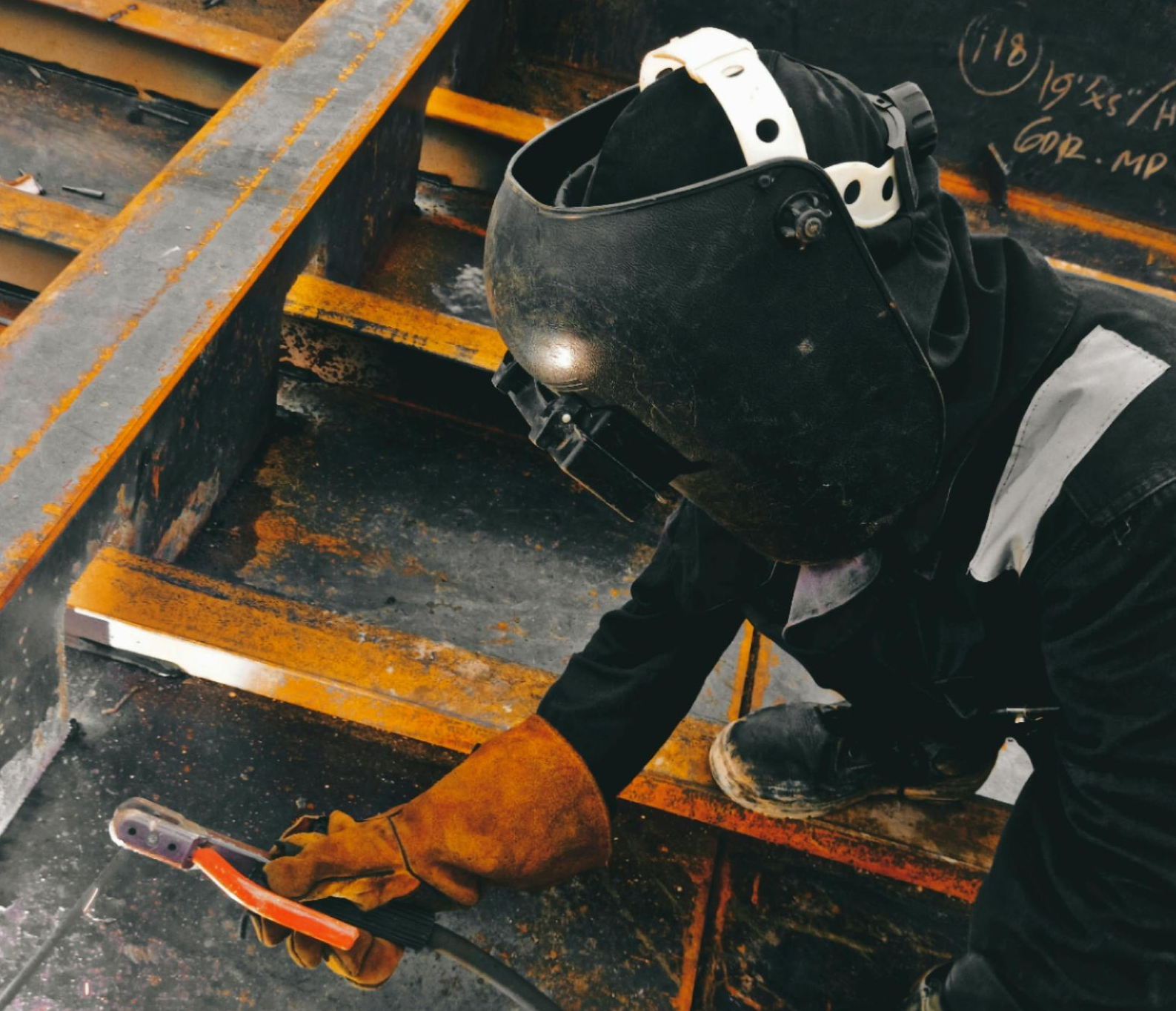
person welding steel
By Joe Holdsworth June 5, 2026
Understand the key differences between bolted and welded structural steel connections, when each method is used, and how connection type affects fabrication and construction.
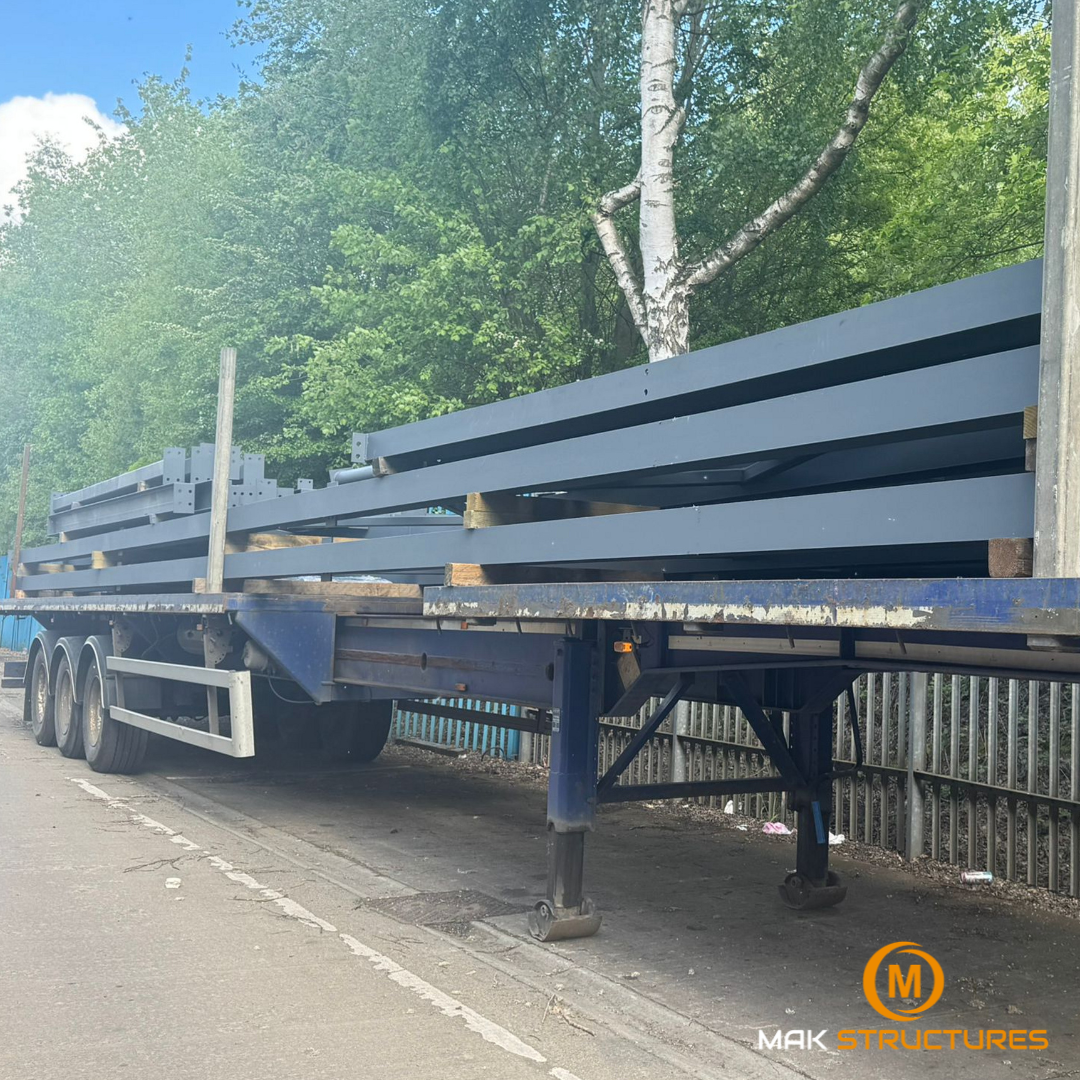
Structural steel delivery
By Joe Holdsworth May 23, 2026
Understand the different protective coating systems used on structural steel, from primer and paint to corrosion categories, and how the right specification protects your structure.
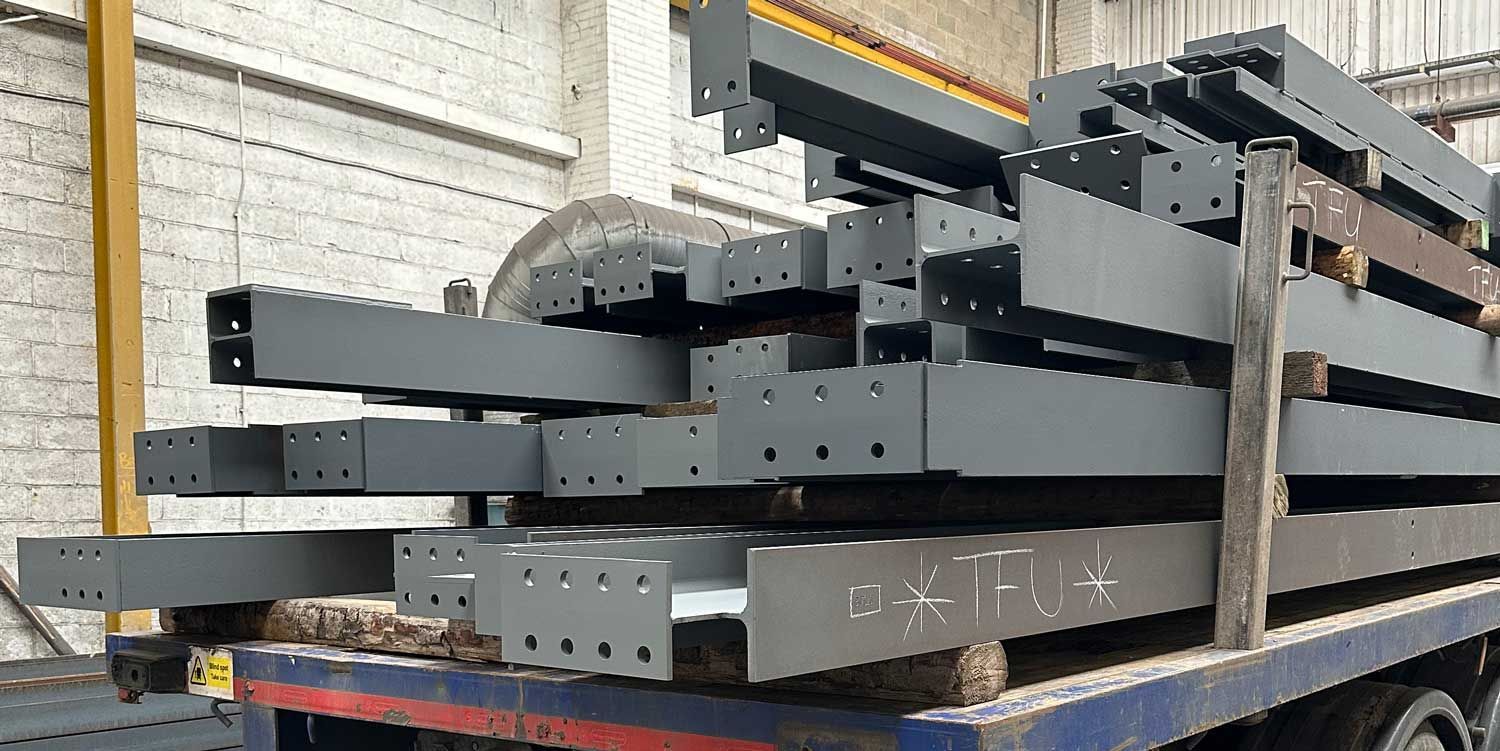
Load of structural steel for delivery
By Joe Holdsworth May 8, 2026
Not sure which structural steel grade your project needs? Our guide explains the most common grades used in UK construction, from S275 to S355, and when to use each one.

Structural Steel Building
By Joe Holdsworth April 27, 2026
Understand typical structural steel fabrication lead times, the factors that affect them, and how to plan your construction programme around them effectively.
By Joe Holdsworth April 10, 2026
Discover what sub-contract steel fabrication involves, when it makes commercial sense, and what to look for in a reliable sub-contract fabrication partner.
MAK Structures Workshop with a load of steel
By Joe Holdsworth March 27, 2026
Choosing the right structural steel fabricator is critical to your project's success. Discover the key factors to look for, from accreditations and in-house capabilities to capacity and delivery reliability.
Structural Steel on Wagon
By Joe Holdsworth March 13, 2026
Discover why in house steel processing improves efficiency, quality and project timelines in structural steel fabrication and commercial construction projects.
Steel Building
By Joe Holdsworth February 27, 2026
Learn why steel tolerances are critical in structural steel fabrication. Discover how accurate fabrication improves installation, compliance and project efficiency.
complete steel staircase on the outside of a building
By Joe Holdsworth February 13, 2026
Learn what secondary steelwork is and why it is essential in commercial and industrial construction projects. Discover its role in safety, stability and building performance.
Multiple Roads
By Joe Holdsworth January 23, 2026
Discover how structural steel fabrication supports modern infrastructure projects across the UK, from commercial buildings to large scale developments, and why precision fabrication matters.
Show More