
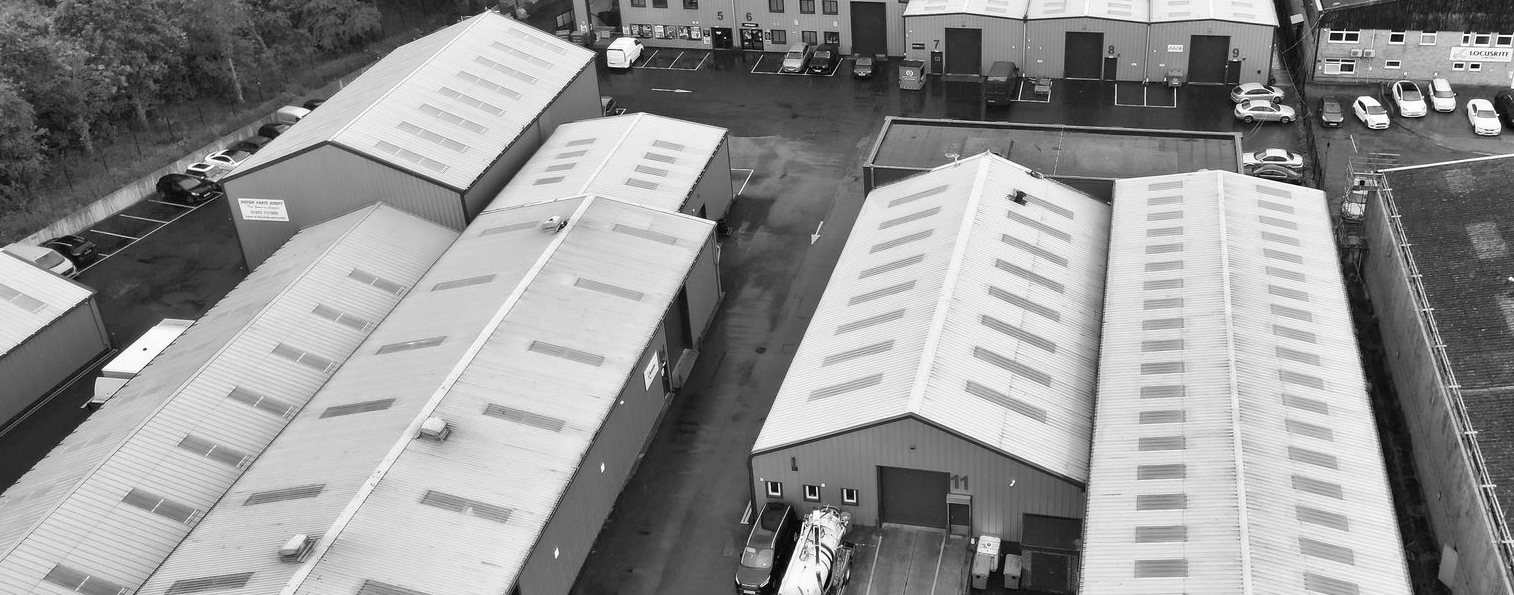
Planning a new warehouse or distribution centre? Our guide covers the structural steel considerations, fabrication requirements and what to expect when procuring steelwork for your project.

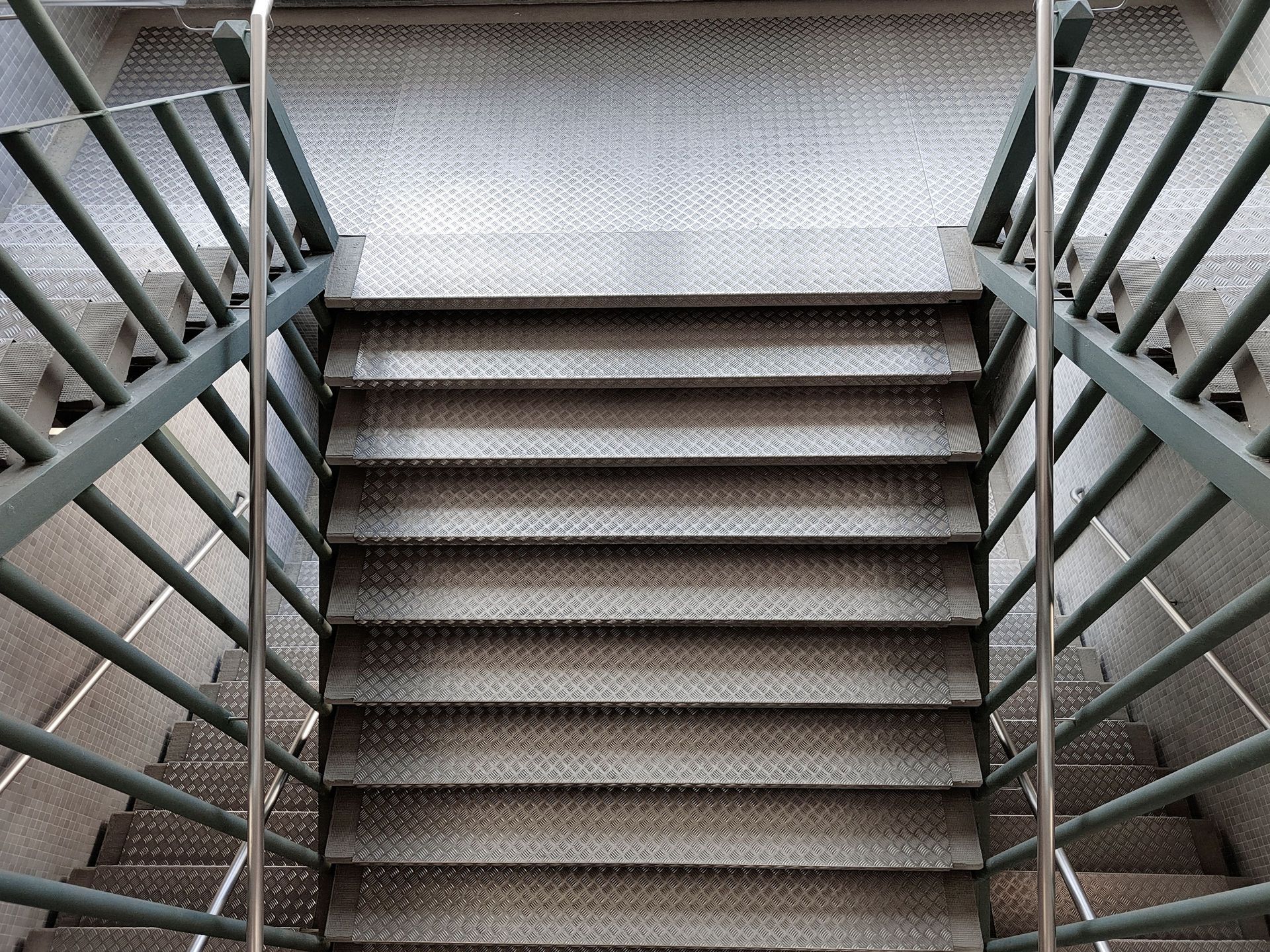
Planning a steel staircase for a commercial or industrial building? Our guide covers design considerations, fabrication, finishes and what to expect from the process.
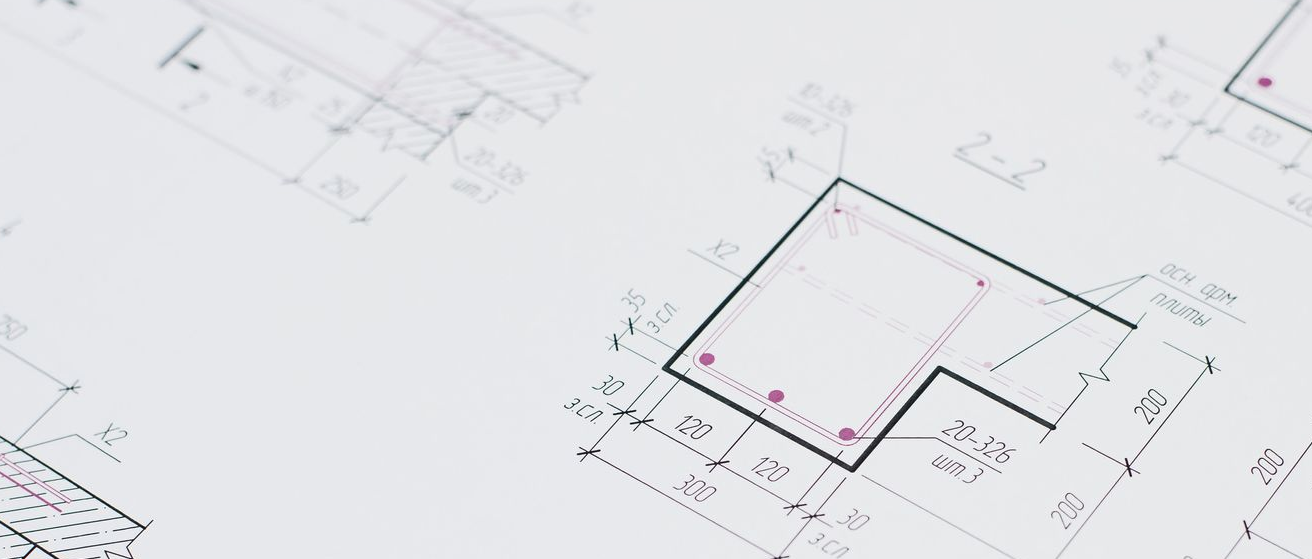
Not sure how to read a structural steel drawing? Our plain-English guide explains the different drawing types, what they contain and how they are used during fabrication and construction.
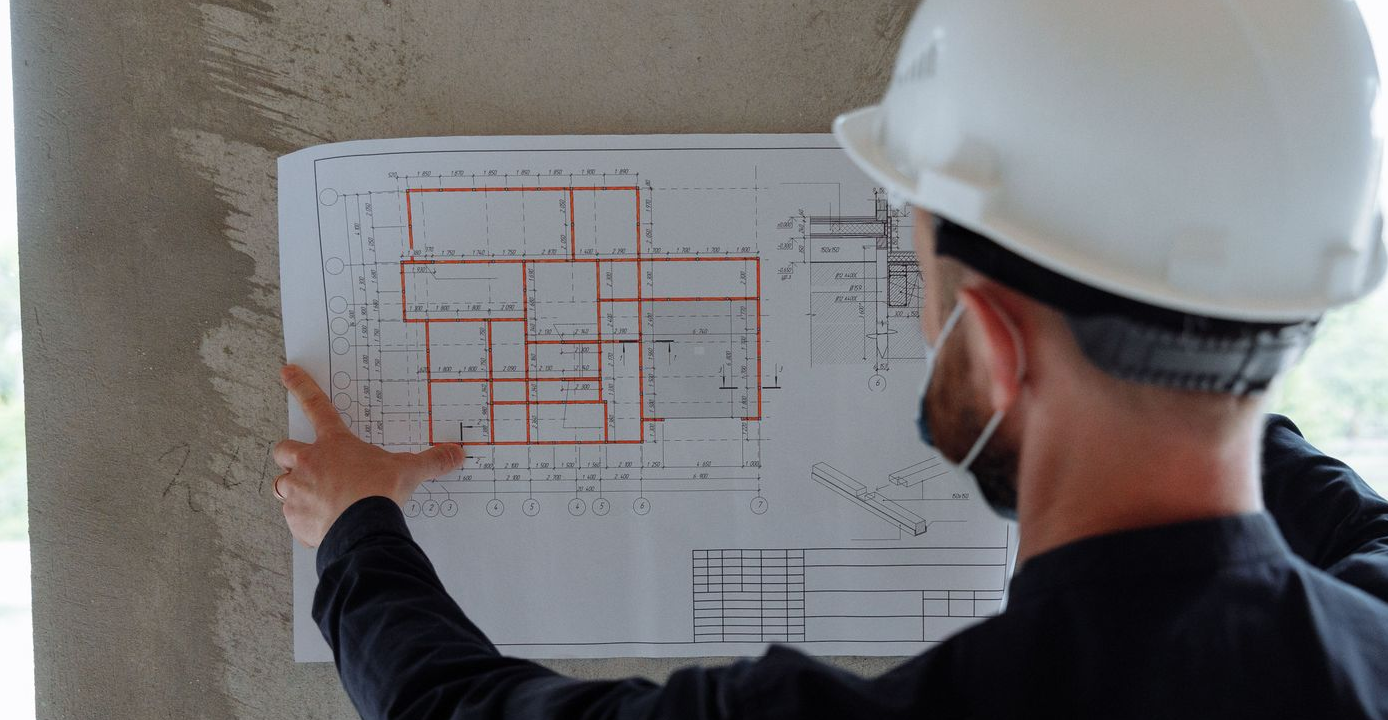
Learn why early design coordination is essential for successful structural steel projects. Discover how better planning improves efficiency, reduces costs and keeps projects on schedule.

Comparing structural steel and reinforced concrete for your building project? Our guide covers the key differences in cost, speed, sustainability and performance to help you decide.

Discover what a steel portal frame building is, how it works, and why it is the most widely used structural solution for warehouses, factories and industrial units across the UK.
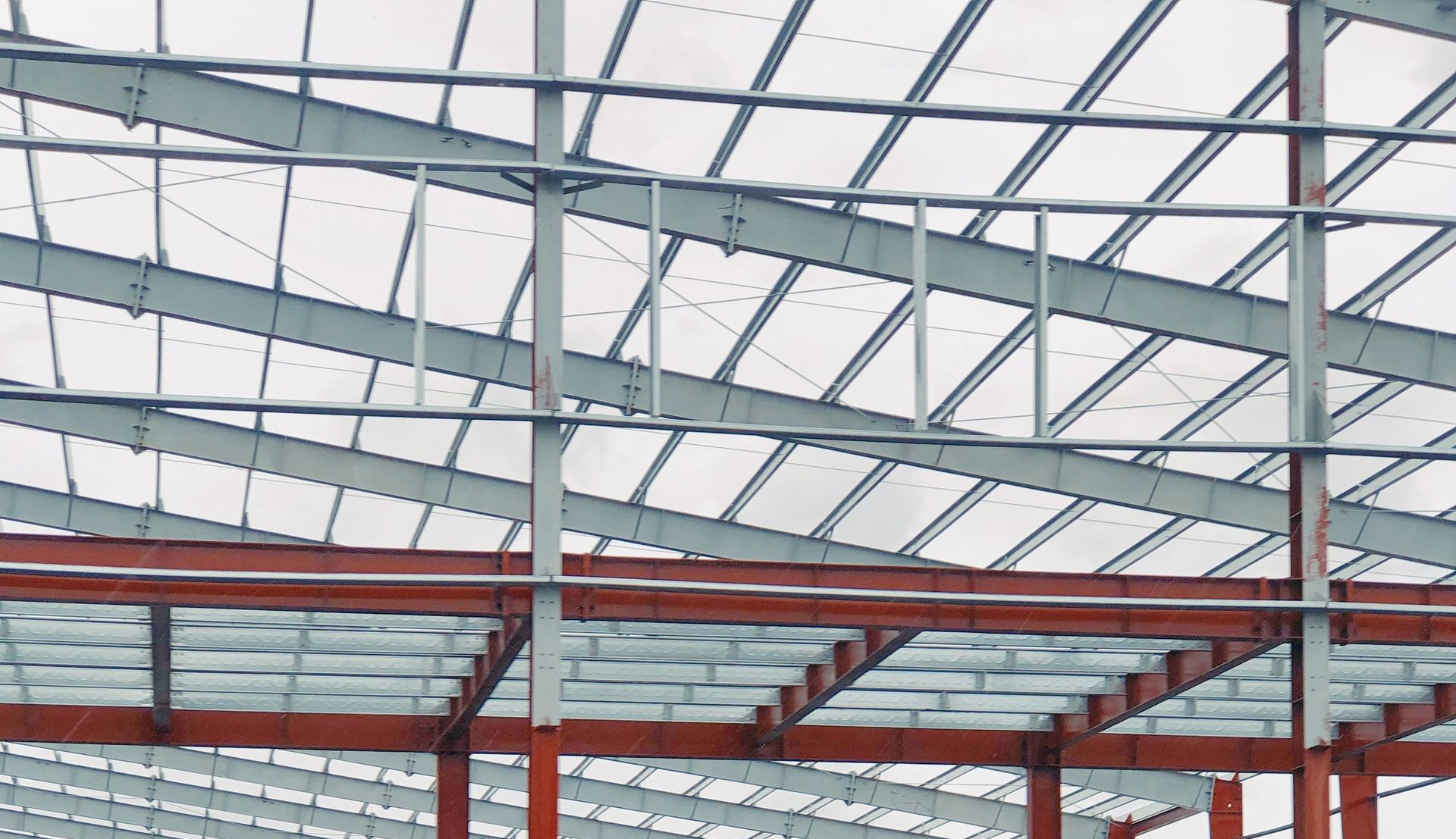
Wondering how much a steel frame building costs in the UK? Our guide covers typical cost ranges, the factors that affect price, and what to budget for your project.
Considering a steel mezzanine floor for your warehouse or commercial building? Our guide covers the benefits, planning considerations and fabrication process.
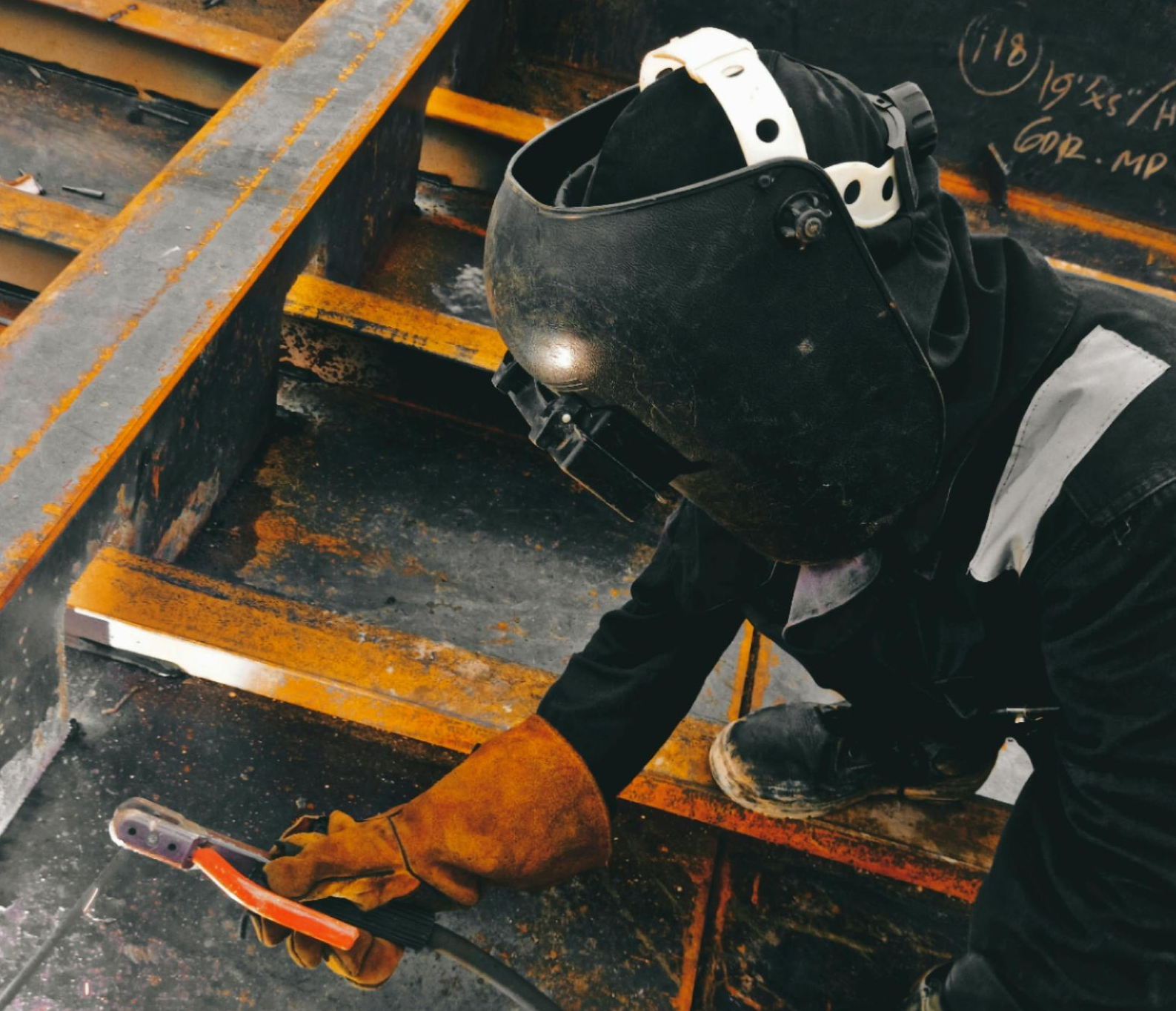
Understand the key differences between bolted and welded structural steel connections, when each method is used, and how connection type affects fabrication and construction.
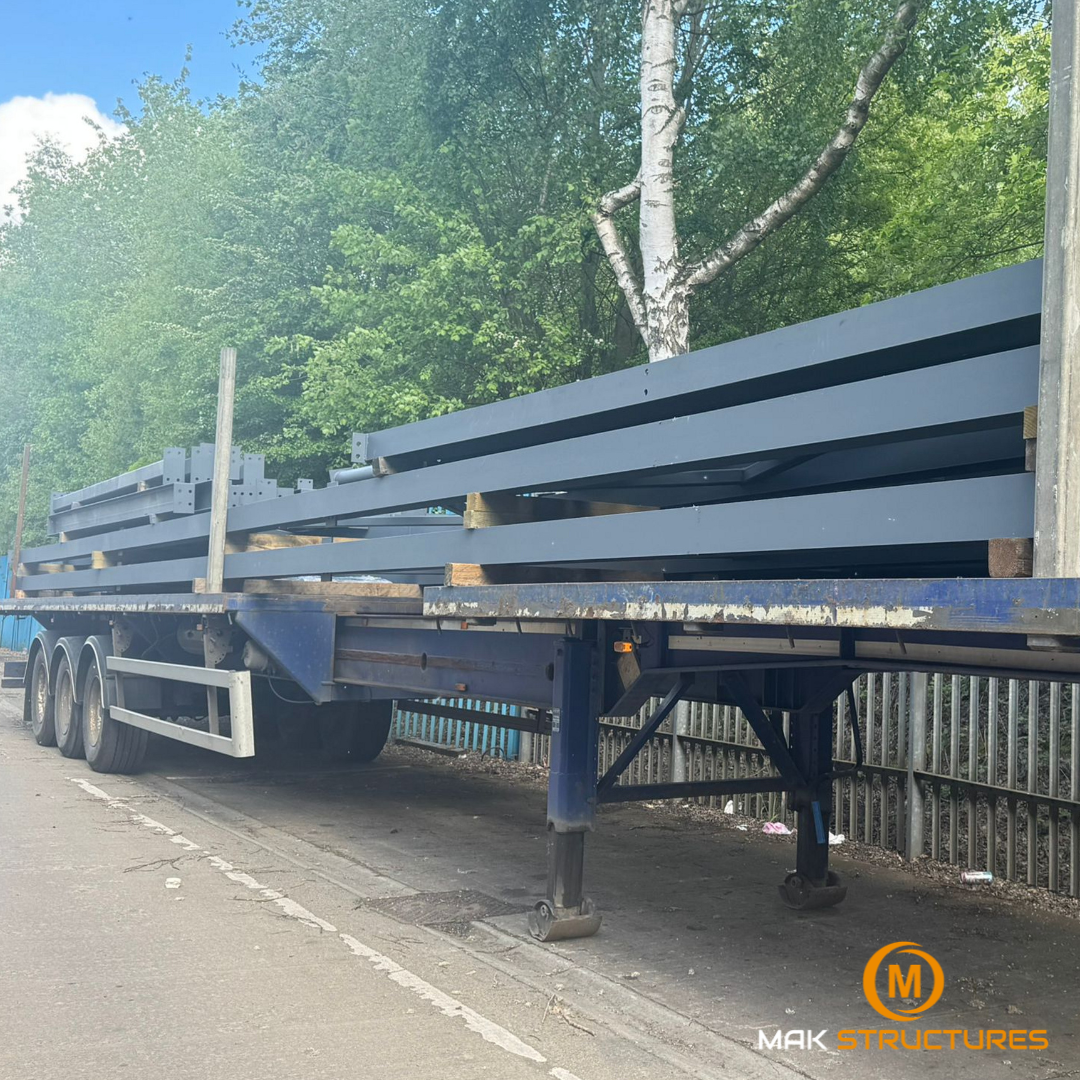
Understand the different protective coating systems used on structural steel, from primer and paint to corrosion categories, and how the right specification protects your structure.